Mondelez, Kroger, Grimmway on How to Sell Solutions, Not Just Products, at the Physical Shelf

To win at the physical shelf, brands must move beyond simply selling products and orchestrate connected solutions that bridge digital influence, AI-driven discovery, and dynamic in-store experiences.
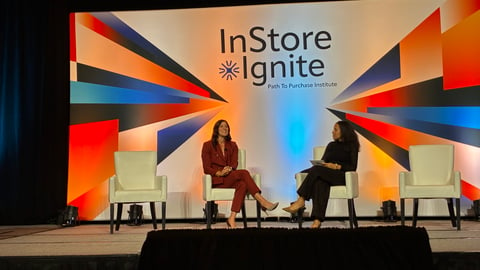
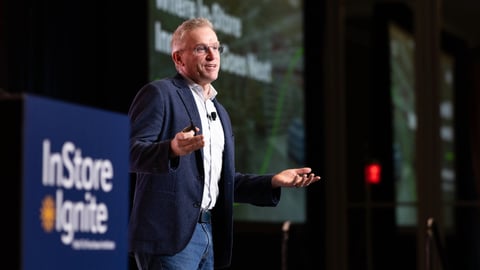
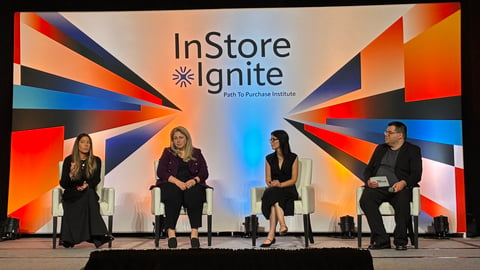
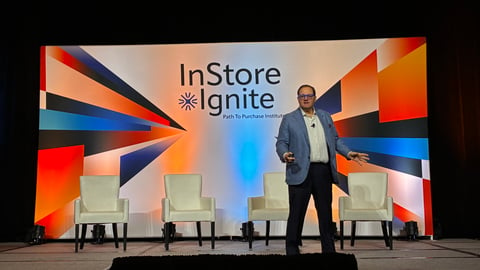
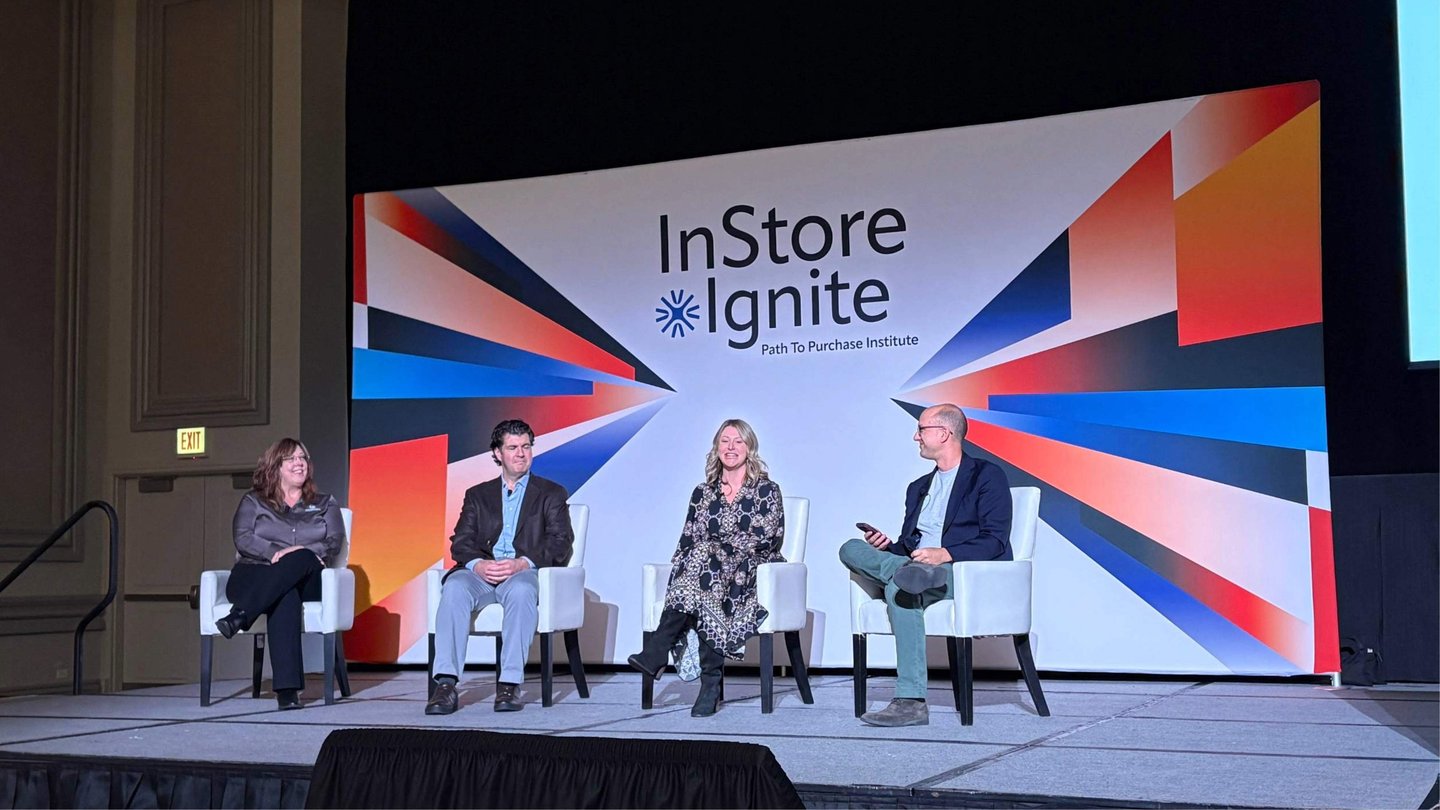
Executives from Mondelez International, Kroger Precision Marketing, and Grimmway Produce Group sat down with moderator Tom Limongello, co-host and producer of The Middlemen Podcast, at the Path to Purchase Institute's InStore Ignite event on Nov. 11 to discuss exactly how to do that.
The group explored strategies for integrating digital marketing, social media and AI to enhance the in-store shopper journey, emphasizing that simply installing screens isn't enough — content is what counts.
"The point of this panel is to try to figure out how are we selling solutions rather than products. How are we using the store as a channel to tie together all the other work that you're doing digitally outside of the store ... and just generally, getting an understanding of how brands and retailers are working together," Limongello said.
In-Store Activation
The discussion focused on moving from selling products to selling solutions through creative physical experiences.
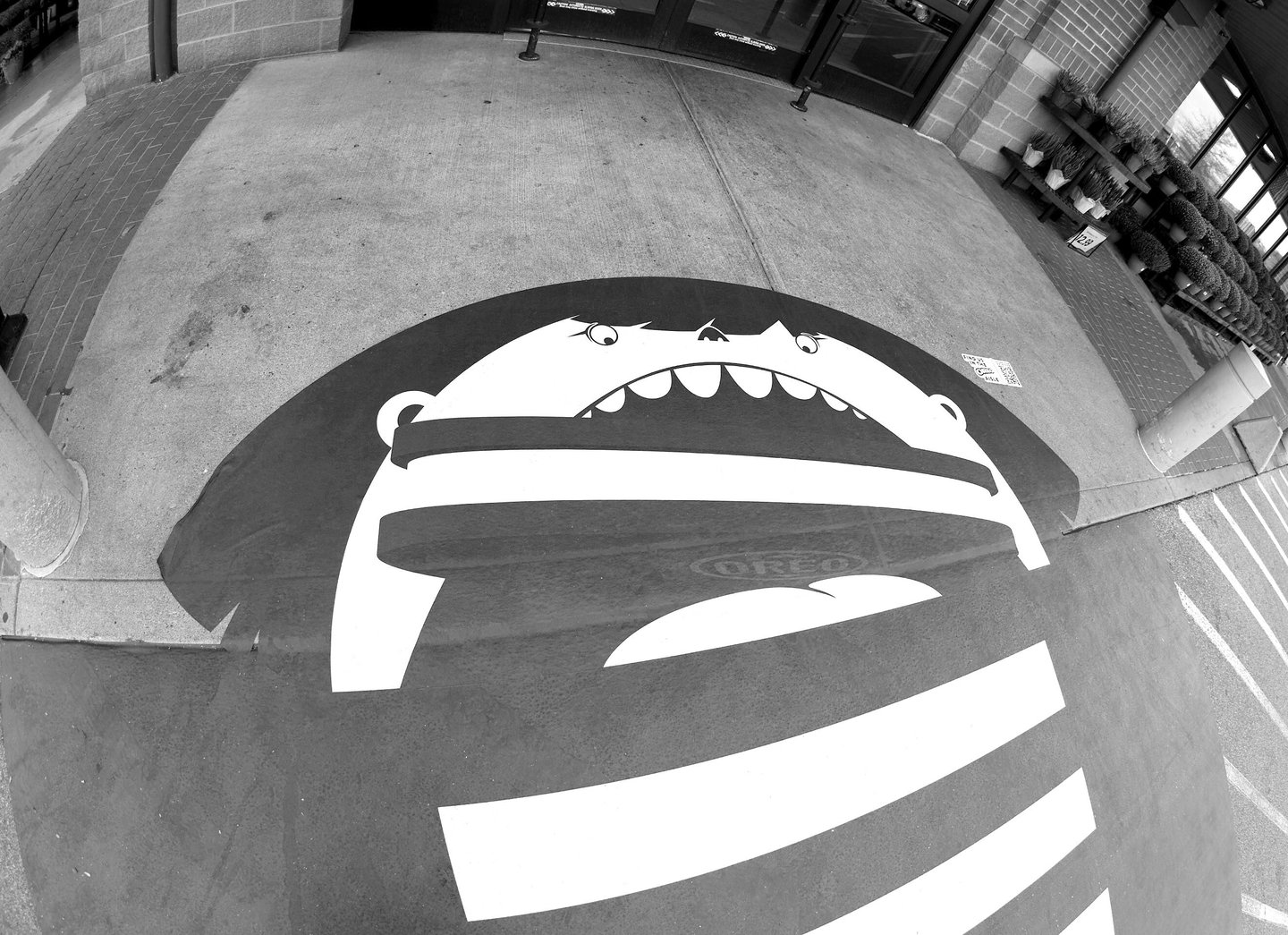
Oreo's crosswalk activation: This featured a reimagined pedestrian walkway at Kroger. Customers could scan a QR code after walking across a "stack of Oreos" to unlock exclusive mobile loyalty offers. "We are trying to find ways to really inspire customers as soon as they enter our premises and to think about new ways to enjoy an everyday kind of snack like Oreo," said Kyley Rouse, director, in-store media strategy & activation, Kroger Precision Marketing.
"Creating a unique experience for the consumer is what we have to do at every part of the funnel, down to that last moment of conversion," said Charles Chuman, global head of retail media, Mondelez International. "Everyone knows Oreo ... but what I do need to make sure is that you remember to pick that up when you're in the store."
Post Malone Oreo: High-profile celebrity partnerships, such as the Post Malone Oreos, help products stand out on the shelf and maintain consumer connection by linking the cookies to music and community interests.
"You're basically bringing the influencer, the spokesperson into the store," Limongello said.
This "offers us a little bit of differentiation on the shelf," Chuman added. "We have a number of these different partnerships because it maintains that connection to the consumer and that ... differentiates us from the other products that are on the shelf, perhaps those immediately adjacent to ours."
Screen time: Kroger is implementing screens from Barrows Connected Store to power discovery without creating a cluttered "Times Square" environment, focusing instead on regionally relevant content, Rouse said.
"At Kroger we have 11 million shoppers (visiting) our stores every day, and we reach over 60 million households annually ... (so this is an) opportunity to really bring relevant customer experiences and to inspire and create an element of discovery," Rouse said.
"The reason we went down this route with screens is because grocery shopping can be a mundane experience, but because of how often people are shopping for groceries ... we saw a huge opportunity to really influence what that journey could look like."
Digital integration
The panel explored how brands can bridge the gap between social media influence and physical retail sales.
Grimmway Produce used micro-influencers for a "lunchbox theme" campaign targeting Millennial moms, resulting in a 50-point increase in brand sentiment and a 16% category lift for its Cheesy Bliss potatoes. Smaller brands without massive marketing budgets can use "scrappy" tactics like influencer boxes and localized digital content, said Rachel Atkinson-Leach, VP, omnichannel marketing, Grimmway Produce Group.
She also noted the importance of agility, referring to Grimmway's ability to quickly pivot organic vegetable content following product safety issues. By working with an existing influencer partner, Grimmway quickly shifted to a different salad series that also served to educate consumers.
Chuman pointed out that "the store manager knows his ... or her community better than anyone else, and we always look to those people on the ground who actually know the experience in that environment. The key component here is to make sure that all of those data points are being passed back to marketing, so that you know that you can have a regionalized campaign."
Future technologies
The conversation closed with the impact of artificial intelligence and Large Language Models (LLMs) on the path to purchase.
Chuman noted that agents like ChatGPT and Claude, as well as research tools like Stackline, NIQ, or Profound, are changing how consumers discover products before they even set foot in a store — especially younger demographics like Gen Z.
Because certain LLMs may have inherent biases toward specific retailers, brands must ensure search campaigns are fully funded for specific SKUs so products appear correctly when LLMs pull data for queries.
One challenge is how retailers can effectively use real-time data signals to provide personalization without being perceived as invasive. Focusing on community relevance and timely content delivery can offset coming off as "creepy" to the consumer.
Measurement is also critical. Brands need to connect off-site signals such as social media searches and TV with in-store behavior and sales-lift data. To ensure future success, 360-degree integrations are required so that the user-generated content and mobile searches a consumer sees on their phone seamlessly match the physical, in-store digital display experience.