Bridging Pre-Shop to Post-Purchase: Lessons from Coca-Cola, McCormick and Albertsons

As brands and retailers integrate digital and physical shopping experiences through connected commerce, cross-functional teams are working to influence shoppers before, during and after the store visit while measuring what truly drives conversion.
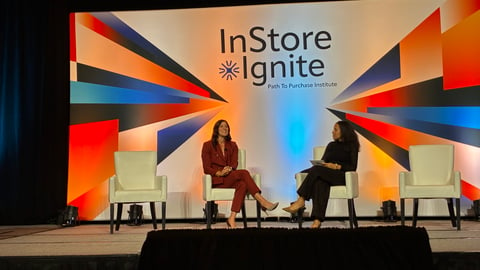
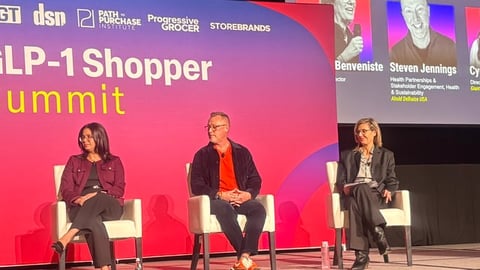
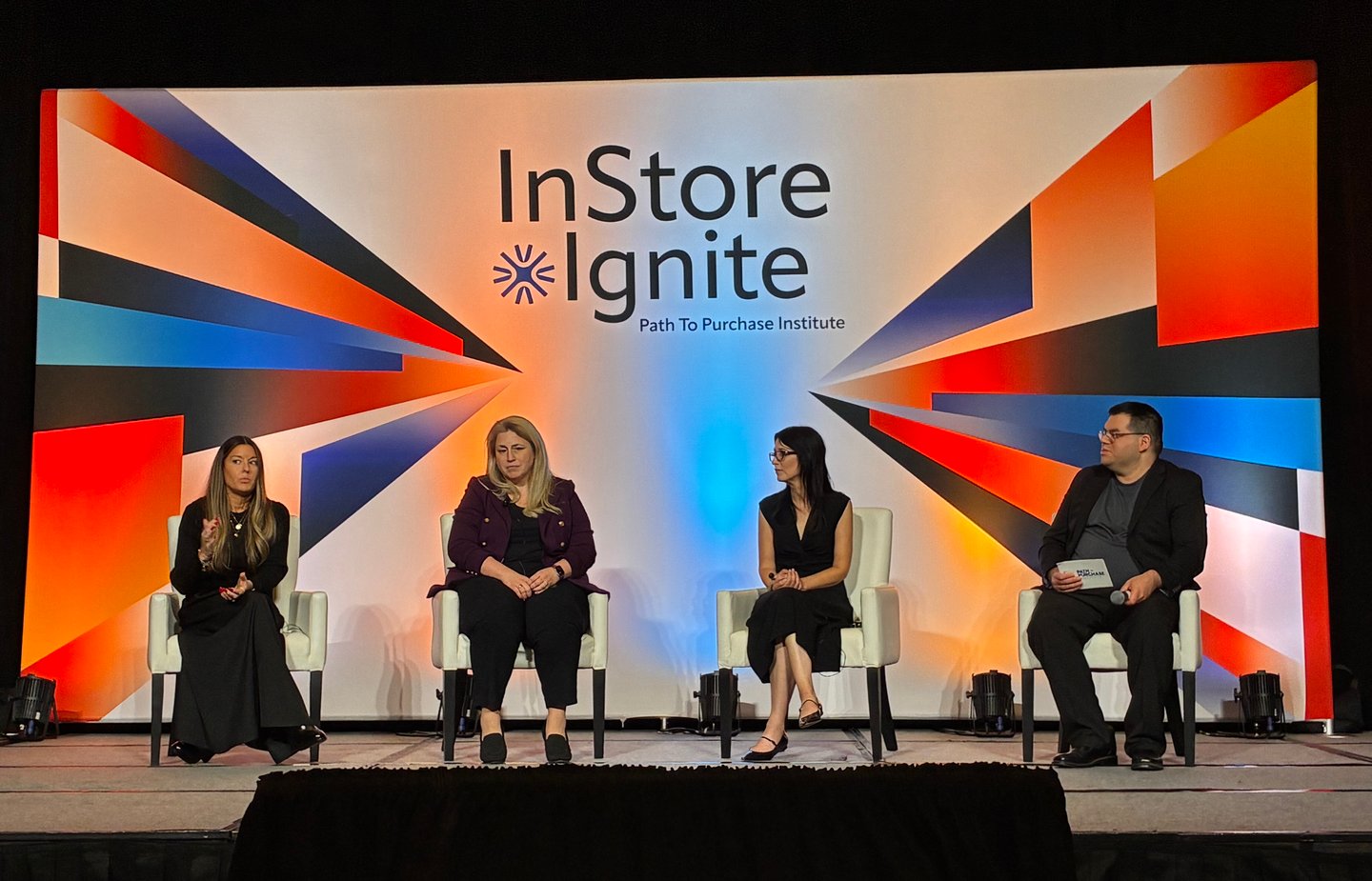
That was the focus during an InStore Ignite panel discussion on Nov. 12 that picked the brains of The Coca-Cola Co.’s Kimberly Garner, senior director, shopper marketing; McCormick & Co.’s Megan Hennigan, director, shopper marketing; and Albertsons Media Collective’s Michelle Weiskittel, senior director, media solutions & operations.
The panel discussed how pre-shop digital tools influence in-store behavior and product findability. Hennigan highlighted how Instacart drives store choice through pricing transparency and noted that Walmart, Target and Home Depot apps improve the in-store experience by providing exact aisle and bay locations. Weiskittel emphasized that the pre-shop phase should enable rather than disrupt the in-store journey, treating the process as one continuous thread.
Achieving unified commerce requires strategic alignment among marketing, sales and merchant teams around shared enterprise business outcomes — such as incrementality, new-to-brand acquisition and basket size — rather than relying on siloed, individual KPIs.
Garner advised starting with the desired outcome and working backward to determine metrics, noting that successful KPIs include new-to-brand shoppers and increased basket size rather than just total sales.
“You have to start with what is the outcome that you're trying to drive,” she said. “Secondarily, what is the shopper behavior you're trying to change? And then following that up, the third piece is determining what are those right metrics? And you have to make sure you're not putting metrics on the cart before the horse.”
Hennigan suggested using holistic campaign post-mortems that look at the entire market scope — including distribution and trade performance — rather than individual campaigns. “How many times have you guys sat in a meeting and looked at something that had amazing ROAS, but then if you look at your actual sales performance, you're like, oh wait, this looks amazing and this doesn't,” she said. “So trying to marry out the tactics that are delivering good results and then how you're actually going to move the needle in your overall sales performance.”
Weiskittel noted that while media professionals focus on campaign incrementality, the enterprise must align with merchandising and sales teams from the early planning stages.
The panelists provided examples of cross-functional alignment in campaigns:
- Garner highlighted Coca-Cola’s Mini Cans launch campaign, which focused on driving immediate consumption, particularly in channels where shoppers purchase beverages for on-the-go consumption. The effort started with the shopper back, rather than the brand forward, she said.
- Hennigan described how McCormick helped shoppers solve for dinner with a "Sunday Reset" campaign that included shoppable recipes. The digital/e-commerce play was effectively married with in-store activity.
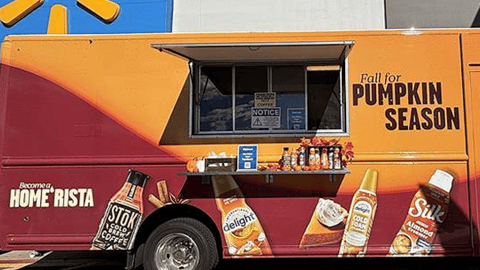
- Weiskittel detailed a fully omnichannel "America 250" program that featured parking lot events that carried over into the store — with a 24% increase in sales.
The discussion also focused on driving conversion, including methods for maintaining engagement throughout the non-linear shopper journey.
Weiskittel explained that engagement must extend to post-shop interactions, using privacy-safe loyalty data to provide relevant, timely and exciting re-engagement rather than repetitive or irrelevant offers.
Hennigan suggested turning customers into brand evangelists by inspiring them to share their experiences on social media after product use.
Weiskittel highlighted the importance of the checkout moment as an underutilized opportunity. “Yes, I can reengage,” she said. “Yes, I can use that privacy-safe loyalty data to really build the messaging to drive another purchase, but I also can still inspire at the time of checkout.”
The panelists also focused on holistic measurement. Evaluating success requires moving toward incrementality metrics and holistic scorecards combining sales, transaction data and weekly performance reviews rather than waiting months for traditional marketing mix analyses.