Consumers Seek More Human, Experiential Brand Connections, Study Finds

As digital interactions become increasingly embedded in everyday life, consumers are showing renewed interest in tangible, real-world brand experiences — creating opportunities for marketers to rethink how they engage shoppers across channels.
That’s a key finding from “Return of Touch: The Human Advantage,” research from The Harris Poll and marketing experience company Quad. Based on a survey of 2,004 U.S. adults conducted July 23-Aug. 12, 2026, the report explores how digital fatigue is influencing consumer behavior and prompting people to rebalance their lives, as well as what it means for brands navigating an increasingly technology-driven marketplace.
The findings point to a continued role for physical retail, print and packaging in building brand credibility, encouraging discovery and strengthening consumer relationships. At the same time, shoppers expect brands to integrate artificial intelligence (AI) in ways that preserve transparency, control and human connection.
In-Store Experiences Can Turn Shopping Into a Destination
While digital channels offer convenience, physical stores provide opportunities for discovery, sensory engagement and social connection that online experiences cannot fully replicate.
Nearly eight in 10 consumers (79%) said touching and feeling products is essential to their purchase decisions. Additionally, 85% considered the ability to see, touch or try products before buying important to their confidence when shopping in stores. Seven in 10 (71%) said experiencing a brand in-store deepens their connection and loyalty to it.
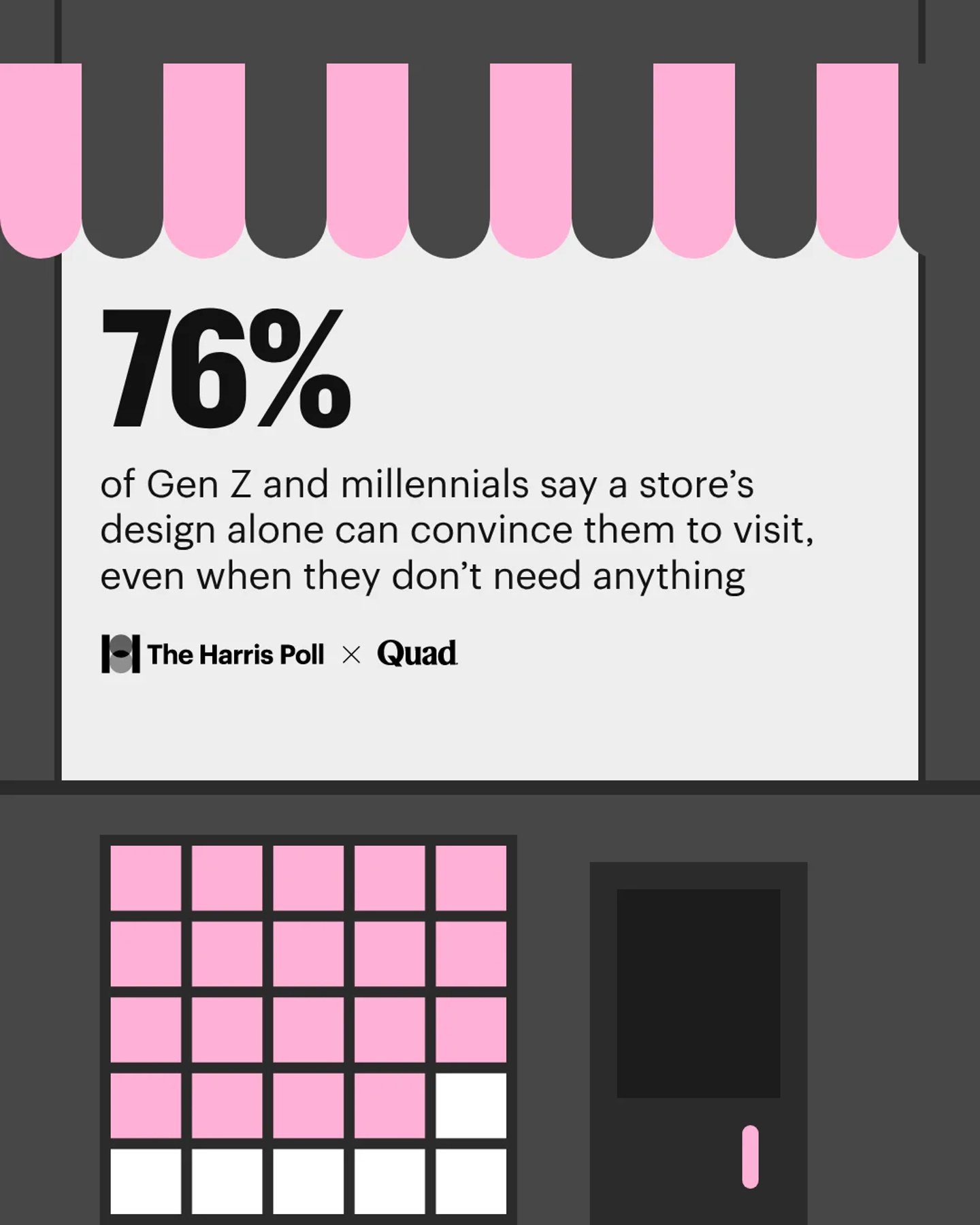
Store design can also serve as a draw in its own right. Nearly two-thirds of Americans (63%) said a store’s design alone can convince them to visit, even when they don’t need anything. That figure rises to 76% among Gen Z and Millennial consumers.
Shoppers are also looking for reasons to linger. The research identified several experiences that can help retailers encourage exploration and engagement:
- Workshops and demonstrations: 64% of Americans said they would be likely to shop at stores hosting workshops, classes, demonstrations or talks.
- Spaces to relax and socialize: 71% are likely to shop at stores offering places to sit, relax or spend time with others.
- Community-oriented experiences: 72% are likely to shop at stores that support local causes or charities.
Print, Packaging Remain Influential Touchpoints
The research also challenges the notion that physical marketing materials have lost relevance in an increasingly digital environment.
Nearly three-quarters of Americans (72%) said mail, print materials or catalogs from brands make them likely to visit a physical store. Print can also influence other shopper actions:
- Online purchases: 68% said print materials could influence them to purchase from a brand’s website.
- Brand preference: 66% said print could influence them to choose one brand over competitors.
- Further engagement: 73% said physical mail, print materials or catalogs could prompt them to seek more information about a brand.
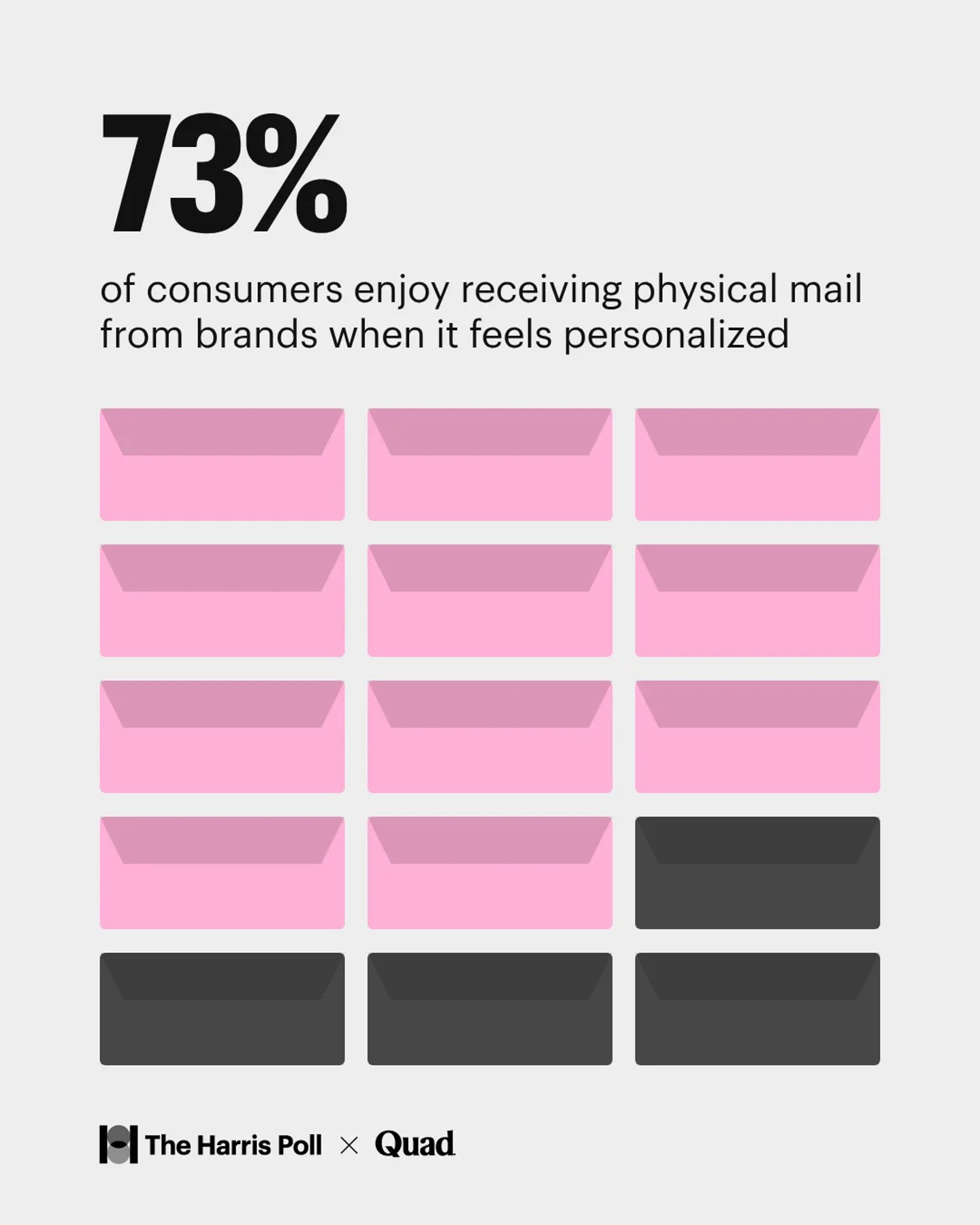
- Personalization: 73% enjoy receiving physical mail from brands when it feels personalized.
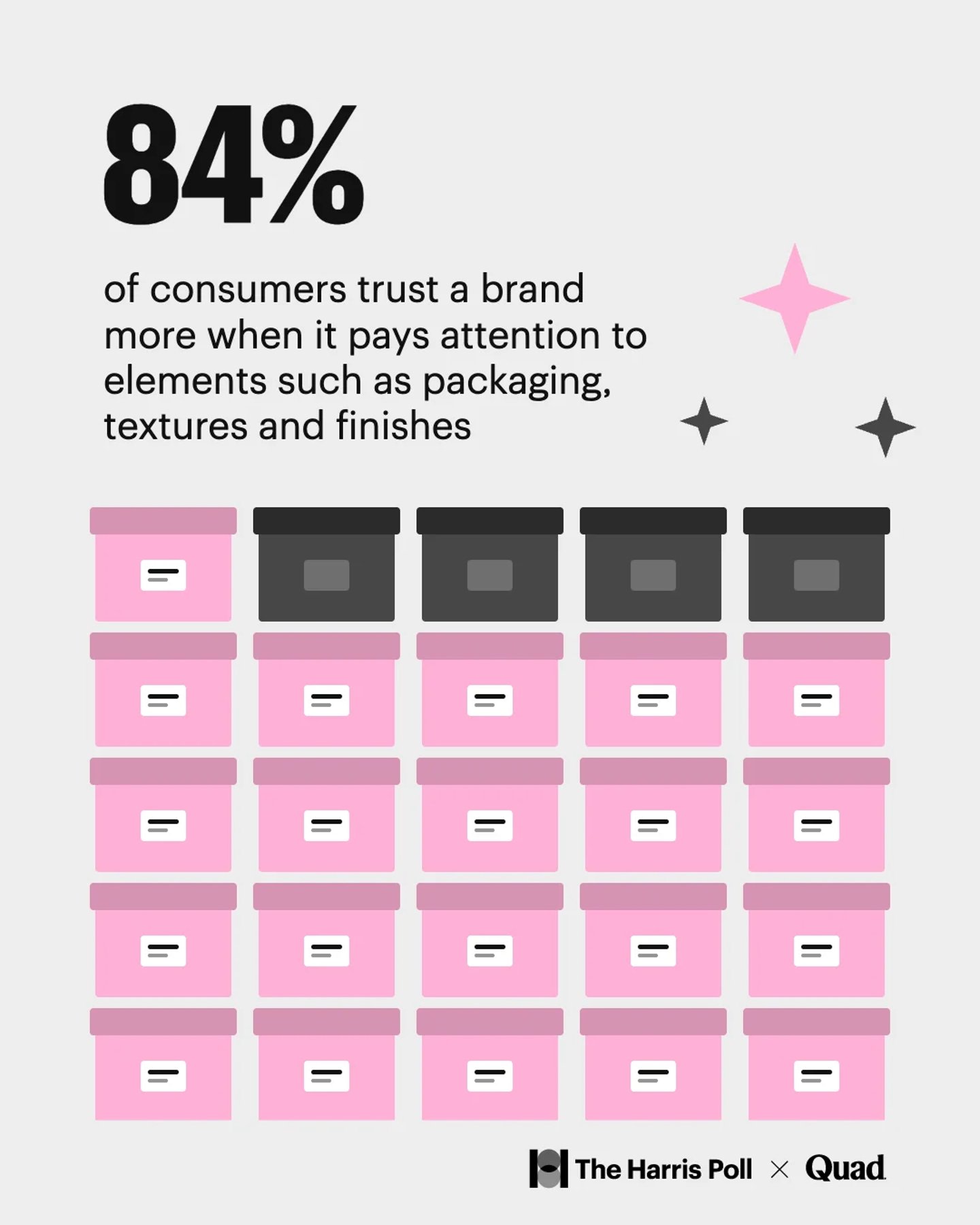
Packaging offers another opportunity to communicate quality and authenticity. Eighty-four percent of respondents said they trust a brand more when it pays attention to details such as packaging, textures and finishes. Meanwhile, 85% value clear information about what a product is and does, and an equal share value easy-to-follow directions. Another 80% value clear information about ingredients or materials.
These findings suggest print and packaging can do more than communicate product information or support brand recognition. They can reinforce a brand’s identity, encourage further engagement and help connect physical and digital shopping journeys.
AI Adoption Comes With Expectations for Human Connection
Despite consumers’ growing interest in technology, the report finds that human involvement remains important across shopping interactions.
Two-thirds of Americans (66%) said they prefer human involvement in customer service and support, while 58% prefer it at in-store checkout and 52% for in-store navigation. Eight in 10 respondents also said brands that feel human and imperfect are more memorable than those focused on AI-generated perfection.
Consumers are not necessarily rejecting AI, however. Instead, they want greater transparency and control over how it is used. Nearly three-quarters (73%) want the ability to turn AI features on or off, while 72% want clear explanations of how AI is being used in their shopping experiences. Another 68% want reassurance that AI is being used to assist, rather than replace, store and customer service staff.
For retailers and commerce marketers, the findings point to an opportunity to pair technology’s efficiency with experiences that feel authentic, intentional and customer centric. As AI becomes more common across marketing and retail operations, maintaining consumer trust may depend as much on how brands deploy the technology as on what it can accomplish.