How Walmart, Other Retailers Are Turning Creators Into a Core Growth Engine

NRF’s Big Show, held in New York in January, surfaced a familiar tension for retailers navigating social commerce: how to move at the speed of culture without losing control of their brand voice. In a panel titled “Retail Creators: Culture That Converts,” executives from Walmart, American Eagle and H&M made the case that creator marketing has matured into a core business function that now touches everything from product discovery to paid media to in-store traffic.
What once lived on the margins of marketing budgets has become central to growth strategy.
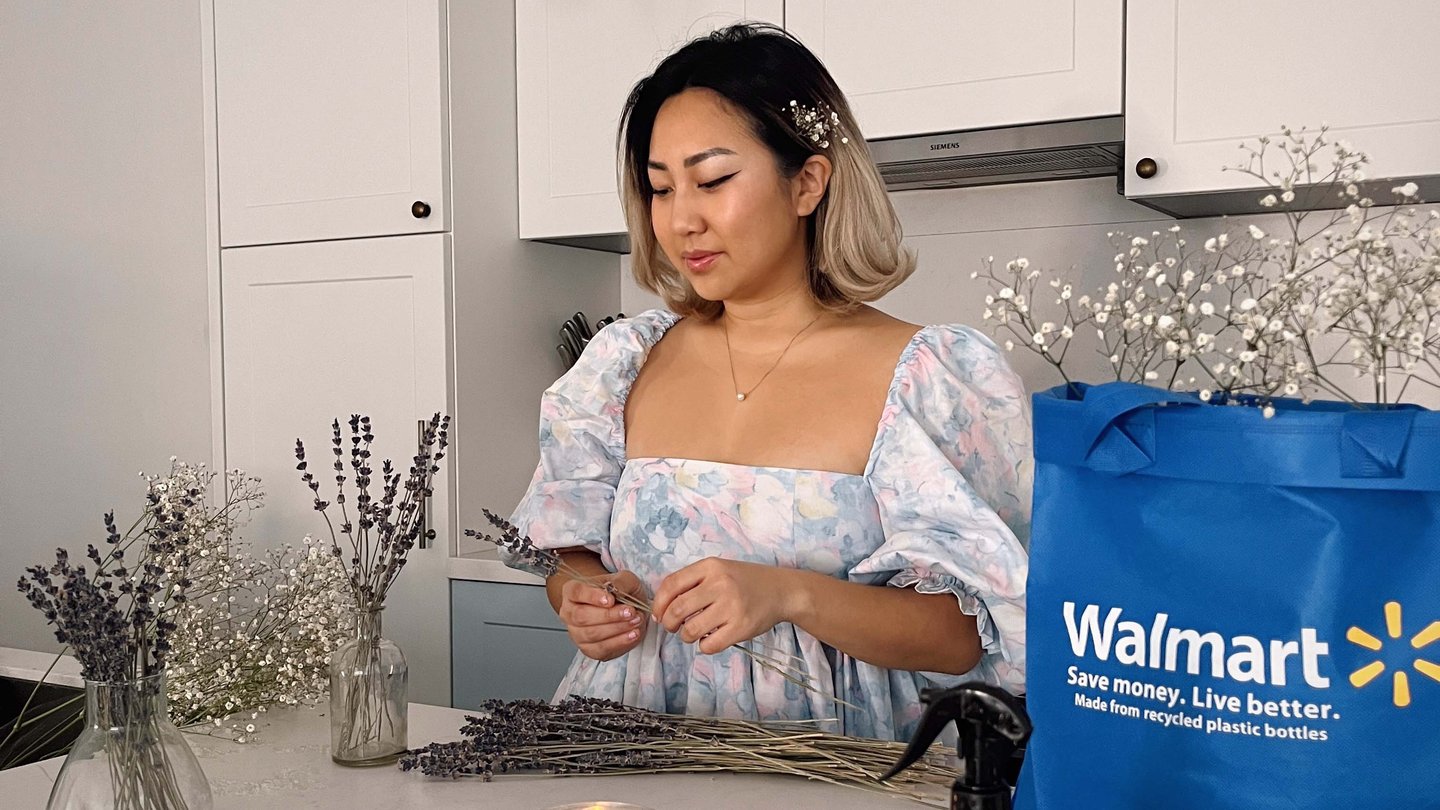
“We work directly with tens of thousands of creators,” said Sarah Henry, head of content, influencer and commerce at Walmart U.S., describing a network that ranges from everyday shoppers building side hustles to celebrity partners with highly engaged followings. Walmart operates both through third-party platforms such as LTK and ShopMy as well as through its proprietary Walmart Creator platform, which allows the retailer to connect directly with creators and sellers.
But the biggest shift, Henry said, has been philosophical. Early experiments with tightly scripted briefs backfired on America’s biggest retailer. Creators pushed back on messaging that felt canned, and performance suffered.
The creators who perform best are the ones who already love Walmart and talk about it organically, she said. The company now provides guardrails such as FTC compliance, trend insights and product discovery cues, while leaving execution to creators who know what resonates with their communities.
Panelists agreed that these communities are no longer confined to TikTok or Instagram. Creators are increasingly building followings on Substack, Discord and Reddit, where long-form content and subscription models foster deeper trust among followers. Those environments, once associated with journalists and niche writers, are now entering the influencer mix.
Substack, in particular, has become a notable talent pipeline. H&M is exploring partnerships with former editors and podcasters who have built loyal audiences there, said Noah Gonzalez, head of brand PR and talent relations for H&M Region Americas. “These are people whose audiences are paying to hear from them,” he noted, calling the platform a growing focus for 2026.
Brands are getting more deliberate about platform strategy. While TikTok and Instagram still command the majority of spending, Pinterest and YouTube play distinct roles. Pinterest, Gonzalez said, functions as a planning and aspiration engine, where creators shape visual narratives that later migrate to faster-moving channels. American Eagle echoed that approach, stressing that each platform needs a specific purpose rather than serving as a dumping ground for recycled content.
“Right content, right platform, right moment,” said Ashley Schapiro, vice president of marketing at American Eagle, where the brand’s creator roster shifts by season and shopping mission. During the holidays, for instance, American Eagle recently expanded beyond its Gen Z core audience to target gift buyers across generations, which created an opportunity for a unique celebrity partner like Martha Stewart, who, Shapiro noted, carries different cultural meanings for different age groups.
Creators are also reshaping how brands think about the marketing funnel. Several panelists rejected the idea that awareness, consideration and conversion are distinct stages. Creators now operate across all of them simultaneously.
For Walmart, that shows up as brand reappraisal. A creator video featuring a blazer or patio furniture can prompt shoppers to reconsider what the retailer sells. The same content can then drive traffic and sales both online and in stores.
H&M has gone further, embedding creators across nearly every marketing layer, from paid ads and out-of-home (OOH) campaigns to email and owned channels. Gonzalez said creator content consistently outperforms branded assets, “not by a little, by a lot.”
Measurement has followed suit. Beyond CPMs and clicks, brands are tracking engagement, sentiment and conversation quality. American Eagle evaluates campaigns through a framework of reach, resonance and reaction, distinguishing between creators meant to drive cultural relevance and those expected to generate direct sales.
Speed has become another defining factor. Trend cycles now move in minutes, not weeks. Brands increasingly bank on creators and sometimes employees as on-demand content engines, replacing traditional photo shoots with fast, smartphone-first production.
Artificial intelligence is beginning to support this evolution by helping teams test content, personalize distribution and scale output. Still, panelists cautioned against chasing every new tool or platform. The future of creator marketing, they argued, depends less on predicting what comes next than on staying true to brand identity.
“One thing I really do appreciate about H&M is we really have to understand who we are as a brand, what we need and what we want, and the difference between those two,” Gonzalez said.
It’s evident that the creator economy is only expanding. As more people turn content creation into a full-time career, brands will be forced to build systems that make collaboration easier and more sustainable. In that environment, creators are no longer simply amplifying messages but rather shaping how consumers discover, trust and buy products.
Culture, the panel suggested, has become commerce.