Why the GLP-1 Boom Isn't the Death Knell for Candy and Salty Snack Brands

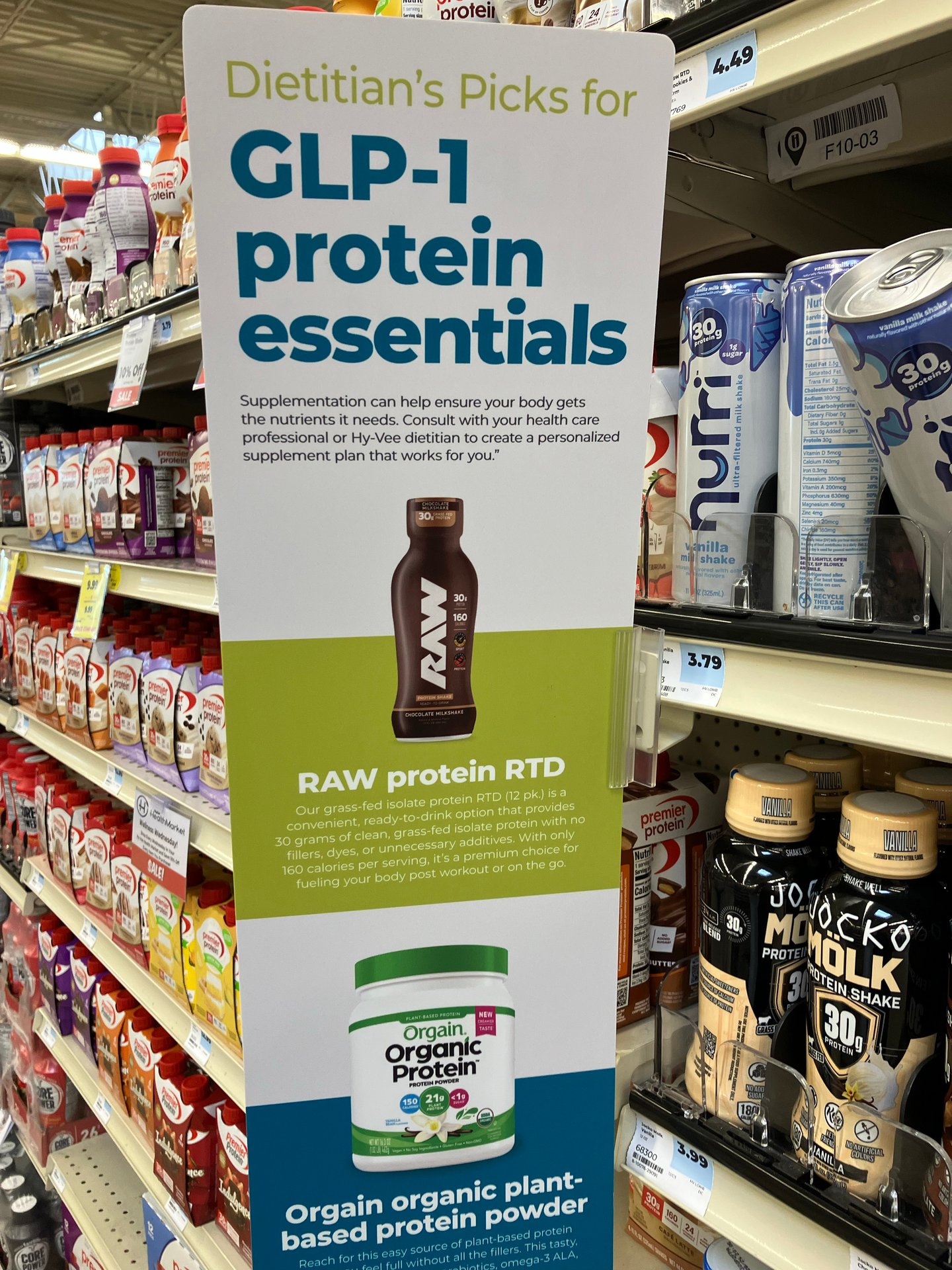
In the GLP-1 era, even categories on the supposed "no-no" list, such as candy and sugary snacks, have a viable path to relevance, according to a report from Chicory and Mars United Commerce.
With roughly 1 in 8 U.S. residents now holding a GLP-1 prescription, the growing adoption of these medications is fundamentally altering the grocery landscape, reshaping entire household budgets, baskets and meal plans.
Grocery Basket Category Shifts
Because these medications suppress appetite, 87% of GLP-1 users report eating smaller portions, according to a Chicory study of 1,377 U.S. consumers in May. Consequently, nearly half (47%) are spending less money on food and beverages overall. (Albeit, 24% of respondents also report spending more as they seek out higher-quality, health-forward items.)
"The shift isn't just about spending less: Shoppers are also changing what they buy, how they plan meals, and how they define value overall," Lauren Tonkin, senior vice president of client leadership at Mars United Commerce, noted in the report.
Beyond changing individual habits, 57% of GLP-1 consumers say their new eating patterns alter the diet of their entire household. GLP-1 users are also significantly increasing purchases of high-protein foods (71%), fresh fruits and vegetables (62%) and meat (54%), while cutting back sharply on sugary snacks and candy (70%) and chips and salty snacks (55%).
Actionable Strategies for CPG Brands
The report notes that brand portfolios broadly fall into three distinct camps:
- Products that manage treatment routines and potential side effects, such as water and energy drinks, sleep aids, haircare and skincare solutions.
- Brands naturally aligned with the new basket, such as lean proteins and fresh produce.
- Brands falling outside the daily regimen that must rethink positioning to stay on shopping lists.
See also: How Wellness Priorities Could Reshape Holiday Grocery Shopping
While recognizing the numerous variables involved in any response strategy, Tonkin outlines four guiding principles for brands navigating these shifts:
- Prioritize changing consumer behaviors over the medication itself.
- Understand how the category’s role is evolving.
- Identify authentic brand value within this new reality.
- Align packaging, products and touchpoints around that role.
Applying this behavioral lens means that even categories traditionally considered on the GLP-1 "no-no" list can maintain relevance.
"I don’t believe entire categories are simply out of luck, but some will need to be more disciplined about the role they play," warned Tonkin. "Trying to force a nutritional story where one does not credibly exist can undermine trust."
Meghan Howard, chief revenue officer at Chicory, agreed that brands shouldn't abandon their core identity: "Indulgence and treating yourself are part of mindful consumption behavior. If that’s your brand, then lean into it. Talk about the indulgences and those occasions where it’s okay to treat yourself. The strategy of ‘relevant alignment’ doesn’t change; if consumers are facing a behavior shift, brands should be shifting with them."
Discovery & Meal Planning
Discovery has become a critical touchpoint, as consumers navigating treatment look for practical lifestyle guidance rather than clinical data. Shoppers are translating health goals into actionable questions like, "What am I going to eat tonight?" explained Howard.
To answer that question, 64% of GLP-1 shoppers turn to recipe websites and food blogs above all else. Traditional search engines (56%), social media platforms (55%), and emerging AI tools (21%) also play prominent discovery roles.
"Traditional search and AI agents can help a brand enter the consideration set," said Tonkin. "Recipe and social content can demonstrate how the product fits into a routine or occasion. Retailer platforms can connect that inspiration to a relevant product or basket, while on-demand delivery can serve more immediate needs and occasions."
Join the Conversation in Chicago: For more on how brands and retailers can respond to changing shopper needs, join us at the GLP-1 Shopper Summit on Nov. 12 in Chicago. Leaders from grocers, including Kroger, Ahold Delhaize USA and Giant Eagle, will take the stage to discuss how GLP-1s are reshaping retail strategies and the shopper journey, and how the industry can future-proof its business.
Come prepared: Download the full Chicory and Mars United Commerce report here.
Retailer Partnerships
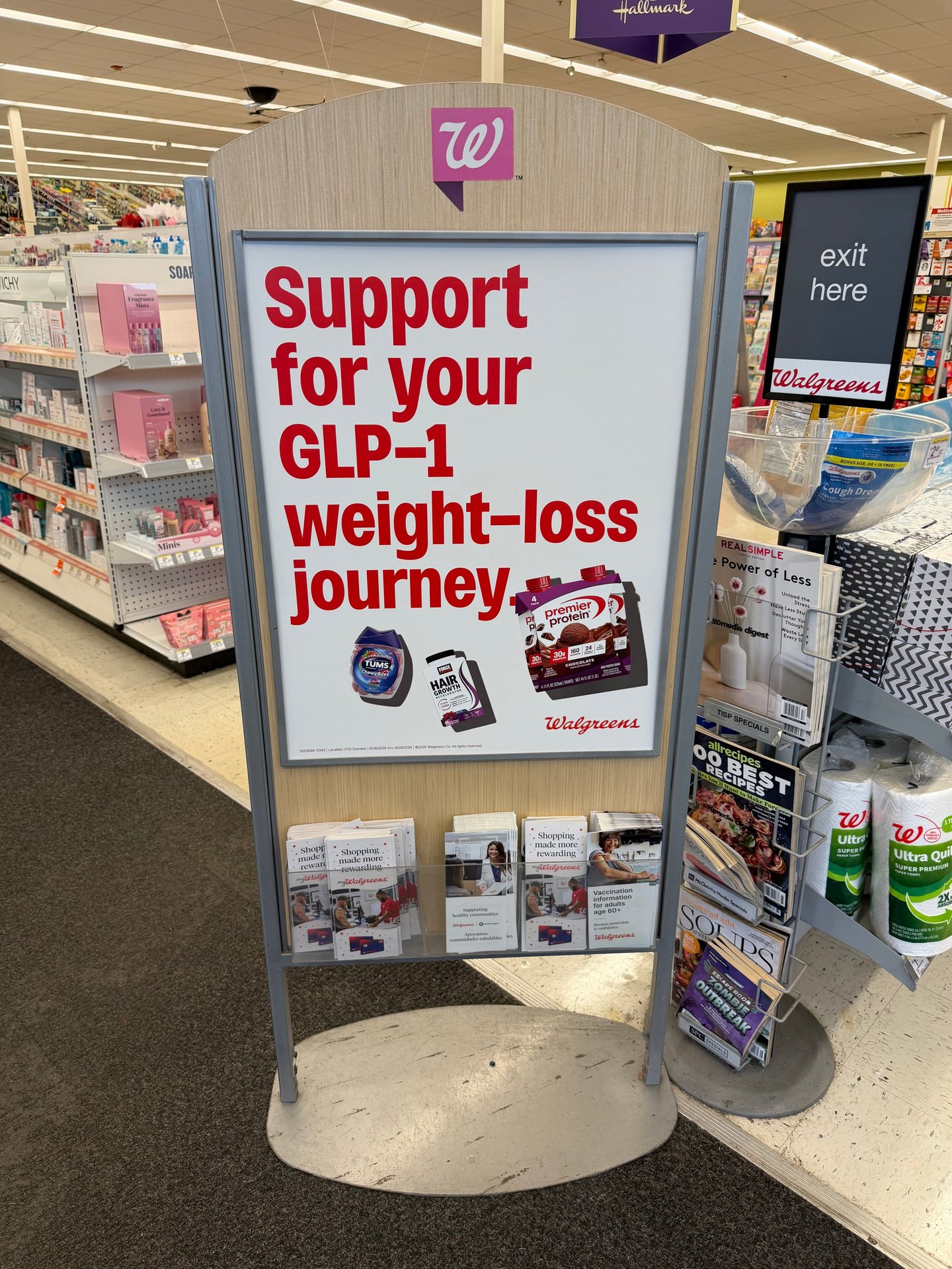
Retailers are moving quickly to support their shoppers. Walmart recently launched a dedicated GLP-1 support hub on Walmart.com, helping customers explore related products and services and access medically reviewed nutrition guidance. Kroger, Albertsons and other leading grocers have also introduced dedicated sections for relevant products alongside educational content that crosses over into pharmacy services.
These initiatives serve as clear opportunities for brands to collaborate with their retailer partners. Tonkin notes that manufacturers can pair category expertise, shopper understanding and product innovation with a retailer's broader view of shopping behavior across the total basket.
“Together, they can turn their respective insights into practical solutions: more relevant pack formats, meal- or occasion-based bundles, stronger search and product content, and connected merchandising across physical and digital environments," Tonkin said. "The strongest partnerships will create clear value for the shopper and incremental growth for the retailer and category.”