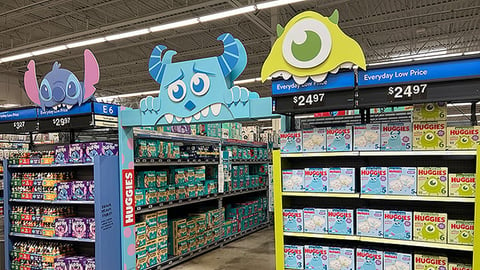
Why Licensing Can Be Lucrative for Brands
Retail sales of licensed goods continues to grow globally, including in North America.
The U.S. and Canada region had $227 billion in licensed merchandise sales in 2025 — an increase of 4.5% from the year prior, according to the Global Licensing Industry Report recently released by Licensing International.
"Licensing provides an opportunity to generate excitement for consumers across all channels of distribution," said Maura Regan, president of Licensing International. "This partnership between consumer products and experiences is an area where licensed brands, in particular, are excelling."
Spanning nearly 20 merchandise categories, the study tallies retail sales of licensed goods and services. It also indicates what types of intellectual properties are contributing to the health of a given merchandise category.
This article showcases the intellectual properties trending in four product categories: food and beverage, health and beauty, pet products and toys.
Food and Beverage
Licensed food and beverages rang up $14.1 billion at retail in 2025, a $500 million uptick from 2025. According to the industry report, the segment grew 3.7%, slightly outpacing the 3% sales incline Circana attributed to the overall sales of food and beverages. But if you consider the last two years, the increase is over 10%.
The category of corporate, which includes legacy and new food and beverage brands — increased 5.6% last year.
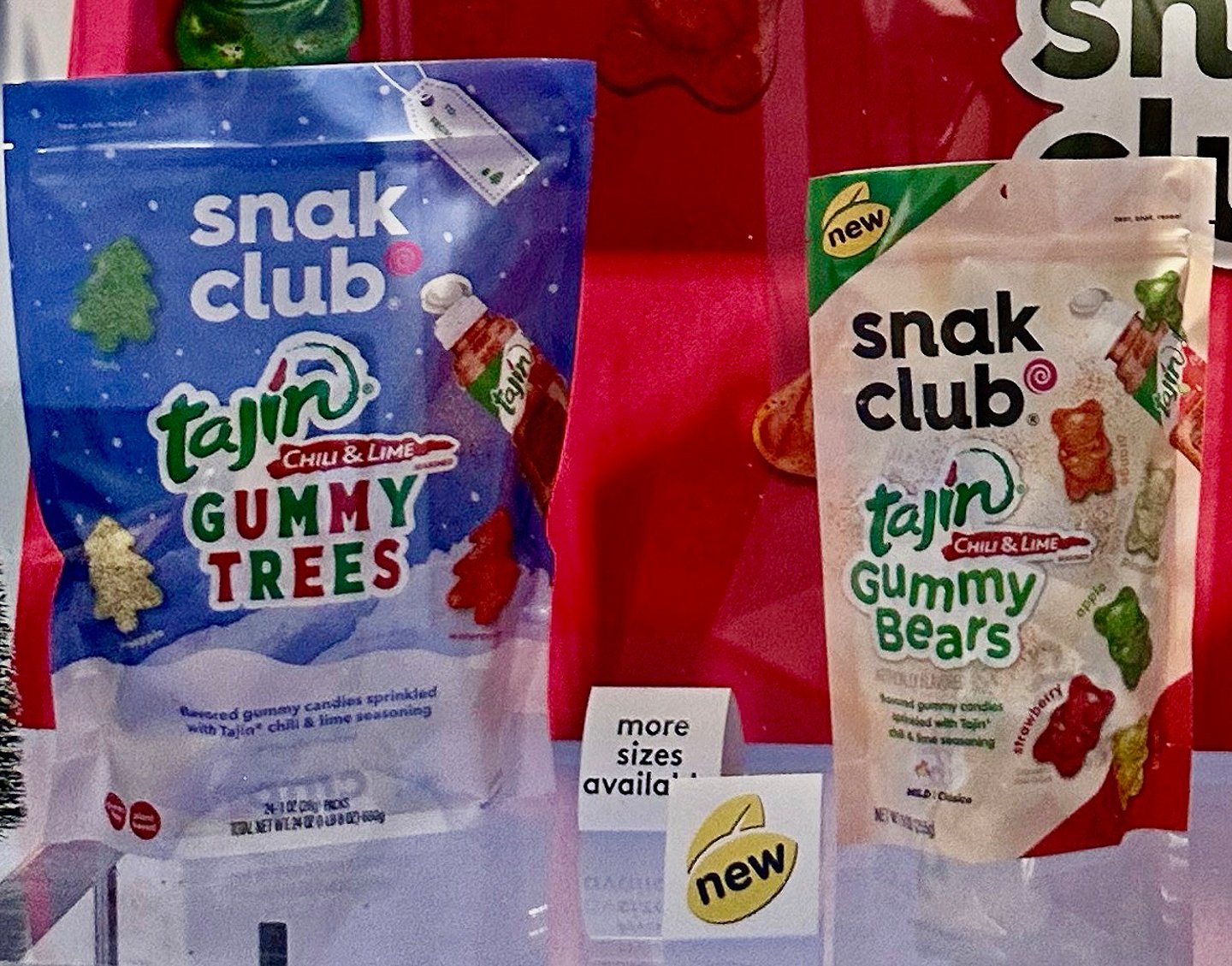
Food-with-food collabs began rolling out post-pandemic, as a means to satisfy consumer demand for something to eat that is spicy, global and fun. Think smoothie mix companies partnering with Tajin to create a lime-and-pepper zing at breakfast. We know from Circana that 62% of people are eating snacks that add a level of excitement to their daily diets.
Other food companies paired with heritage food brands to lure nostalgia seekers. Think of the double dose of old-school comfort infused in the The Hershey Co.’s Reese's Oreo Cups.
Snacks that hit right can serve as daily comfort and escape to consumers living at either end of the K-shaped economy.
Health and Beauty
The $7.5 billion licensed health and beauty products category had modest growth. Within the category, the character/entertainment segment expanded 7.8% to $2.2 billion. Examples include:
- The Honest Co. and Disney partnered to create a co-branded baby targeted personal care line.
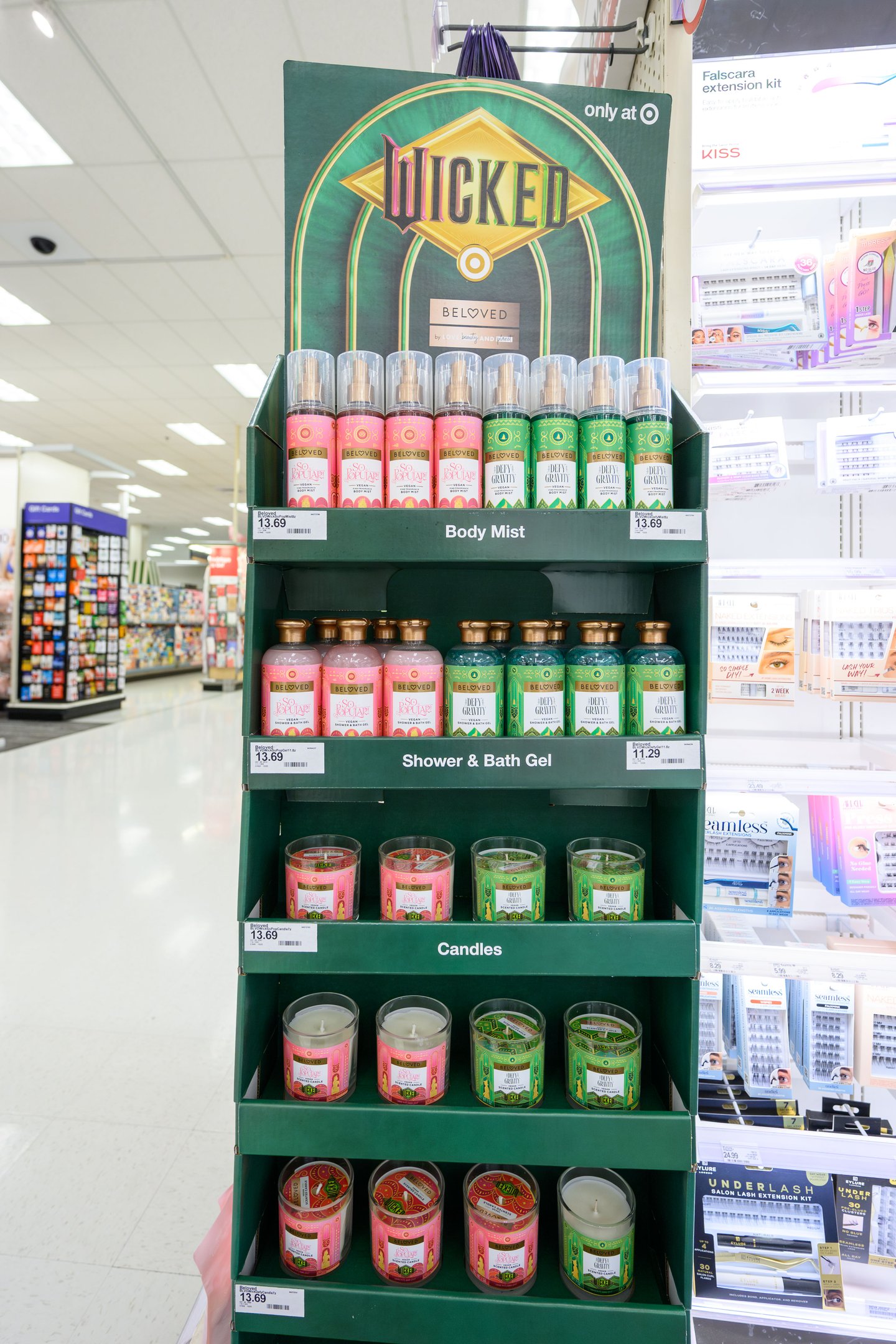
- Universal Pictures' "Wicked: For Good" launched at Target with 200 SKUs across skincare, cosmetics, haircare and more.
- Dr. Squatch x Stranger Things collaborated for a limited-time offer line of soaps and deodorants.
- The Grinch x Kitsh pillowcases, and The Grinch x Kitsch Whoville Cookies Hair Perfume arrived at Ulta in time for the holidays.
Pet Products
Licensing in the pet arena is relatively new but definitely on the radar with high expectations. In 2025, the most significant growth came from character/entertainment and brands.
Jazwares, makers of the popular Squishmallows plush, developed a destruction-resistant version of their toys made especially for pet play and pet sleeping, called Chew Mees in early 2025. Heavy-hitting properties signed on — Disney, Pokemon and Hello Kitty, for starters.
PetSmart offered a sizable amount of "Wicked: For Good" SKUs spanning cat and dog attire and other toys, while online retailer BarkBox offered a five-toy collection.
Green Pet, a brand that arrived early to the cooling-mats-for-pets burgeoning market, offered Disney licensed product last year.
We see so many opportunities in the future for pets. Owners spent an average of $1,700 in 2025 on pet supplies, which was up about $200 more than in the previous two years, according to the Licensing International report. Every indication across multiple data sources is that this number will continue to increase.
Toys and Games
Retail sales of toys and games made under a license agreement rose $1.5 billion to total $24.5 billion last year. The report suggests licensed toys and games grew at a rate of 6.8%. Earlier this year, Circana charted the growth of toys and games overall at 6%, crediting the increase in sales to shoppers' appetite for higher-priced and licensed toys.
Let this sink in. In a recession, under daunting economic conditions and amid global unrest, shoppers have an appetite for higher priced and licensed things?
Yes, resoundingly.
Consumer behavior researchers have pled the case that today's consumers are dealing with ever-growing uncertainty by escaping reality, in ways as socially acceptable as possible. Whether this presents as building Legos after work, or sneaking gourmet chocolate at 3 p.m., shoppers will pay for moments of reprieve.
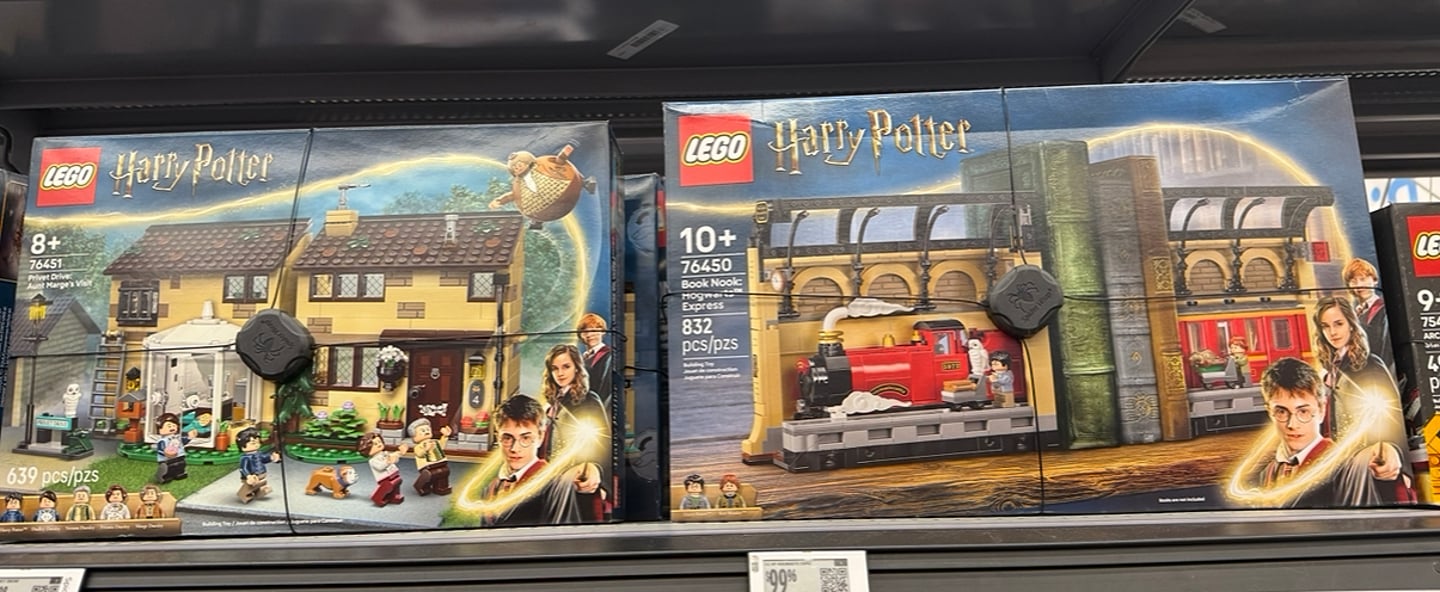
For example, three of the 10 top-selling licensed toys in 2025 sported properties tugging at the heartstrings of 30-to-40-year-olds: Pokemon (for sleeping plush), a Lego-Gameboy brick building set, and a Lego-Harry Potter Hogwarts Castle and Grounds set. (Each property originally launched between 1989-2000.)
Licensing the right brands can enable companies to wield nostalgia-driving power.
About the Author
Leigh Ann Schwarzkopf is principal and owner of Project Partners Network. The organization provides insights, best practices, strategies and due diligence in all areas of licensing.