How Brands Are Using Amazon Transparency Codes Beyond Anti-Counterfeiting

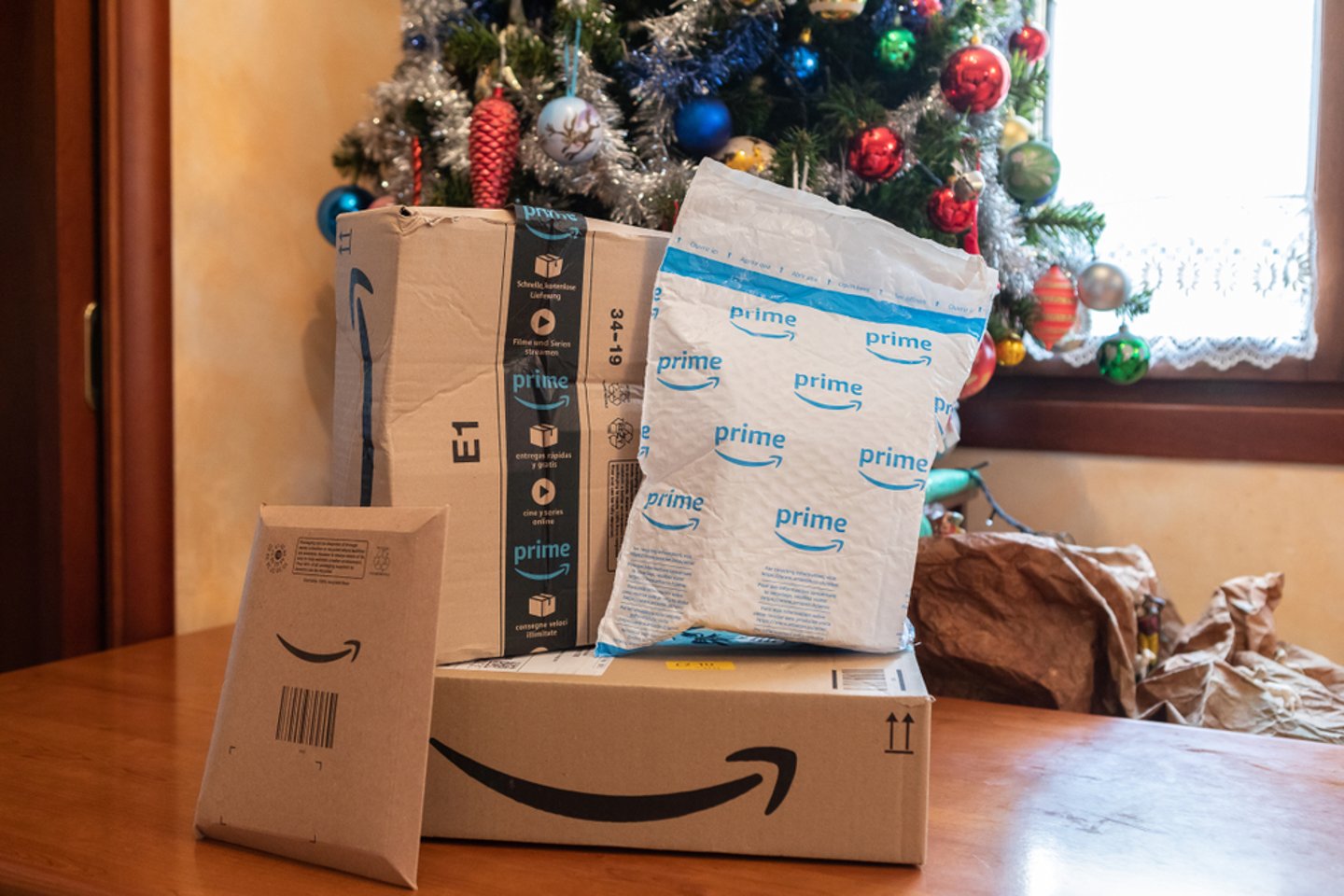
Counterfeit protection may be the most visible use case for the Amazon Transparency program, but brands are increasingly exploring the technology as a broader packaging and engagement tool.
P2PI recently spoke with Menasha Packaging’s Evan Padilla on how Amazon’s Transparency program is evolving into a broader tool for supply chain visibility, shopper engagement and digital shelf strategy.
The program assigns unique, scannable serial codes to individual product units, allowing Amazon to verify authenticity while also giving brands new ways to connect packaging, supply chain data and digital experiences.
According to Padilla, design manager of e-commerce and omnichannel at Menasha Packaging, the opportunity extends beyond fraud prevention. Transparency-enabled packaging can help brands track manufacturing and fulfillment data, support quality-control efforts and create new shopper engagement touchpoints through connected packaging experiences.
Padilla shares where adoption is accelerating, how brands are using transparency codes today and why upcoming industry shifts like Sunrise 2027 could further expand the role of 2D codes across commerce.
P2PI: Let’s start at a high level. What problem is this partnership solving for brands, and why now?
Padilla: There are a few things this partnership helps solve: brand image, marketplace sales, consumer trust and loyalty. If a consumer buys a counterfeit item from your brand, the negative review ultimately impacts your brand. That can lead to lower sales, a damaged image and fewer repeat purchases.
By ensuring products are legitimate, you’re not only ensuring the consumer has a legitimate product, but you’re protecting your own brand image and increasing your future sales.
P2PI: How should brands think about transparency codes beyond anti-counterfeiting? Where do you see the biggest untapped opportunity?
Padilla: The biggest untapped opportunity is the complete supply chain view brands gain. When manufacturing sites or trusted partners request codes, brands know what location requested those codes. [That information can also be tied to lot, batch and shipping data.]
That information can help quickly identify quality-control issues and where affected items were shipped to, helping limit the impact to consumers and your brand.
P2PI: Walk us through how transparency codes show up on-pack and in the consumer journey.
Padilla: Transparency codes are located near the UPC or scannable bar code, identifiable by the Transparency “T” logo. If the consumer is purchasing an enrolled product, they can locate and scan that code with their phone. This will give the consumer additional details about the product, cross promotions or direct to social media campaigns, further engaging the consumer after purchase.
P2PI: You mentioned products like Unilever hair care and Atlas protein bars. What have you learned from early implementations across categories?
Padilla: Unfortunately, there are counterfeit brands that make it on the Amazon platform and into the hands of consumers. When the counterfeit brand does not live up to the expectations that consumers expect, it can tarnish the brand and lead to negative reviews. Transparency works to eliminate counterfeit brands being offered.
P2PI: How does this intersect with retail media and digital shelf strategies, especially within Amazon’s ecosystem?
Padilla: Transparency can help build upon shelf strategies because brands are already applying a scannable code to enrolled products. However, you must draw attention to the code, which can be a challenge due to size and location next to the UPC.
Within Amazon’s ecosystem, fully enrolled products receive a “Verified by Transparency” callout on the product listing page. Brands can use that as a call to action to encourage scans and direct shoppers back to their websites for additional information or cross-selling opportunities.
P2PI: What kind of data can brands capture through transparency codes, and how actionable is it today?
Padilla: Brands can connect the codes to production and supply chain information, which helps avoid large-scale quality issues. They can also track consumer engagement when shoppers scan codes and are redirected to the brand’s website.
That traffic can be tracked and used to further enhance the consumer engagement.
P2PI: What are the biggest operational or cost barriers brands should consider?
Padilla: Operational barriers would be executing the application of the codes, avoiding missed applications and duplication of codes, which could lead to issues once the items hit the Amazon network. Thoroughly defining your process, or even using a trusted partner of Transparency, will help.
Cost is another consideration, especially if enrolling a non-Amazon specific SKU. If a SKU is enrolled, every unit of that SKU requires a transparency code regardless of what retailer it goes to. This is why we see brands only enrolling their Amazon specific SKUs.
P2PI: Where are you seeing the strongest adoption today?
Padilla: Personal care brands have been among the strongest adopters over the past year. These brands tend to have the most third-party/unauthorized sellers of items on the platform, so these are seeing huge benefits of enrolling their items.
P2PI: How are retailers responding to transparency-enabled packaging? Are they leaning in, or is this still brand-driven?
Padilla: Transparency is still brand-driven. However, the Transparency team does provide recommendations on certain ASINs that should be enrolled. Brands are primarily enrolling their Amazon-specific SKUs, ensuring portfolio diversification from traditional brick-and-mortar stores to avoid price matching.
P2PI: Looking ahead, how do you see transparency codes evolving over the next 2-3 years?
Padilla: There could be some big changes to codes in general with Sunrise 2027 on the horizon. This would be the consolidation of all scannable codes into a single 2D code, Transparency included.
This will further unlock Transparency, incorporating all of the product information, UPC and UCC codes included, into the single 2D code. This will help in highlighting the code to consumers, increasing scans and engagement, directing more traffic back to your brand and social media campaigns.