The Connected Packaging Era: Why Brands Should Care
The bar code has done one job for 50 years. Beep. Show the scanner what that item is. Done.
That job is expanding. The next generation of codes won't just identify products at checkout. They will connect packaging to digital content, data and measurable experiences.
Global Standards 1 (GS1), the recognized authority for issuing standard one-dimensional UPC bar codes, has already made the call for Sunrise 2027. The black-and-white UPC your brand has used for decades is on its way out.
In less than two years, retailer POS systems are expected to scan both traditional bar codes and the newer two-dimensional 2D codes.
Walmart, Tesco, Kroger and Wegmans are already moving. P&G, L'Oreal, Amazon, PepsiCo and Coca-Cola are piloting.
So, here's the real question: If most of the global retail economy is preparing for this shift … what’s up with your slow pace?
The most forward-thinking CPG teams we've spoken to aren't looking at this as a compliance deadline. They’re looking at it as a rare reset moment.
An Expensive Transition Is Expensive – Why It Matters
Let's not sugarcoat it — this shift to 2D codes isn't small.
- Retailers are upgrading POS systems.
- Manufacturing lines need adjustments.
- Standards groups are still debating formats.
- Shoppers will need education at self-checkout.
And, yes, it's expensive.
Even P&G said it's aligning QR rollouts with existing artwork changes just to manage costs.
So, if brands are going to absorb this investment anyway, it's worth asking: Is compliance enough?
Most brands will treat GS1 2027 as a compliance project buried inside operations. That would be a mistake.
For 50 years, packaging has been static and its role has been transactional. It is optimized for efficiency, not engagement.
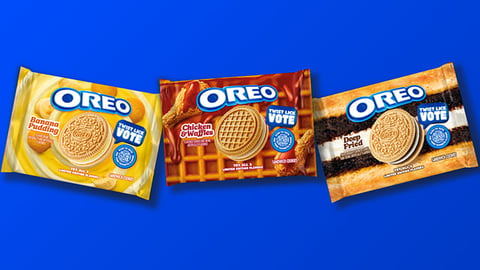
2D codes change that. A single printed code can now connect to dynamic content, measurable experiences and owned data streams. Thanks to solutions such as connected packaging.
Connected packaging turns a 2D bar code into a dynamic, measurable and editable code. It can be personalized by who, where and when someone scans it.
That means you can change campaign messaging without reprinting. With the ability to update experiences in real time.
And the best part? The data doesn’t have to stop at the retailer.
Feedback we've heard from marketers about the change is positive. One described it as the strongest media channel already owned by not used by the company.
The Tiny 2D Box Is Now a Channel
The brands moving first aren't just adding a QR code.
They’re building multiyear plans around it.
- Seasonal promotions that rotate digitally.
- Product stories that evolve.
- Campaigns that don't end at checkout.
The GS1 2027 initiative will force change. But not all change creates advantage.
The bar code isn’t disappearing overnight. It will coexist for years. What's changing is what packaging is capable of doing.
And the brands that treat this moment as more than a technical update will walk away with something most competitors won't: A direct, measurable connection from shelf to shopper.
About the Author
Caleb Sheppard is the managing partner at AirBaton, a consumer promotions platform for loyalty programs, instant rebates, sweepstakes and connected packaging. He works with CPG and regulated brands to design compliant, retailer-agnostic promotional programs that validate purchases in real time and capture first-party consumer data without requiring a mobile app.