TV's Role in Commerce Marketing Is Changing

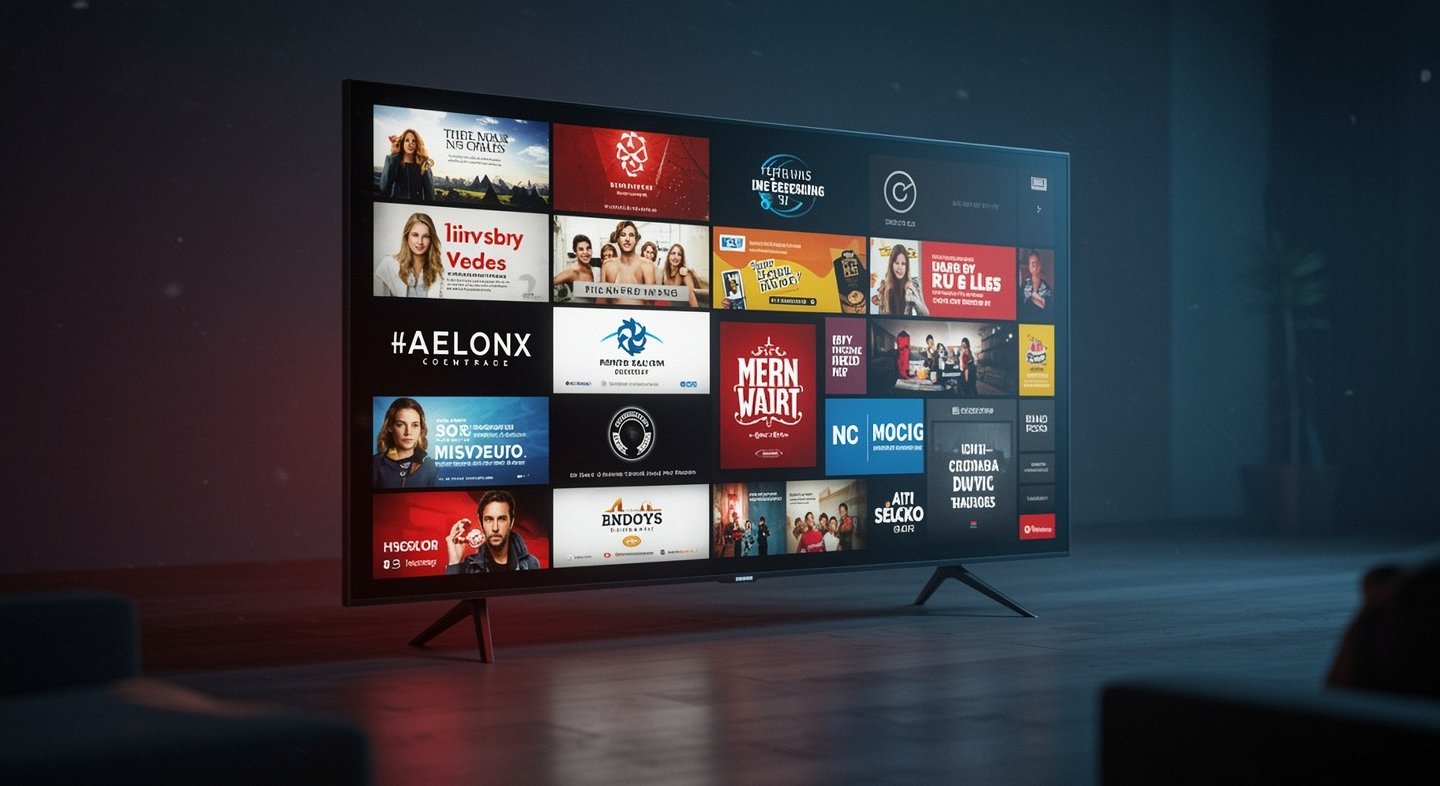
With more than 75% of U.S. households now subscribing to ad-supported streaming, television is quickly becoming a growth channel that brands need to make sure is a core part of their omnichannel marketing plans.
Research from Chicago-based market research firm Circana reveals that TV has reached unprecedented, transaction-ready scale and is transforming how brands can integrate discovery, storytelling and purchasing into a single experience.
The company's recent study, "The Future of TV: Where Immersion Meets Commerce," found that TV's evolution is delivering measurable performance.
Connected TV now drives more than 15% higher return on ad spend (ROAS) than linear TV and more than 21% higher than short-form video, suggesting that in the minds of brands and retailers, it should no longer be seen as a reach vehicle, but a full-funnel, results-driven platform.
The shift is being driven by purchase data and retail media integration, the study found, which are connecting TV exposure directly to transactions. Because of this, Circana says TV is turning into an "immersive storefront," where discovery and purchase happen in the same environment.
Circana data says that, by 2030, Gen Z and Millennials are projected to drive 60% of U.S. retail sales growth, fast-tracking demand for immersive, purchase-enabled TV experiences that meet consumers wherever — and however — they watch.
Along with retail media networks continuing to accelerate comes cohesion and connection between television and e-commerce, which streamlines relevant discovery through the shopping journey and ultimately builds baskets across screens.
Targeted, purchase-based advertising has become a critical component of brands who are trying to reach audiences effectively across connected devices, Cara Pratt, Circana's president of global retail and media, said in a release.
Pratt stresses that it has never been more important for brands to focus on collaboration and strategic partnerships. "The consumer journey crosses multiple platforms, retailers and environments," she said. "Progress depends on shared signals, shared measurement and shared understanding."
The study found critical shifts in content consumption, especially among younger consumers who seamlessly move between screens to consume live events.
Therefore, brands that keep a pulse on the evolution of programming distribution will do a better job at reaching all consumers. "The key viewership areas to pay attention to in 2026 and beyond will be sports, news and programming," said John Buffone, Circana vice president and industry adviser for media entertainment.
The study concluded that today's consumers are looking to TV to enhance their shopping capabilities. But Circana advises that navigating the future of television requires more than shifting spend — it demands intelligence that connects audiences, activation and outcomes. For every new omnichannel campaign, marketers should be focusing on audience strategies, optimizing campaigns in flight, and measuring performance outcomes at scale.