Kroger Looks to Retail Media, Loyalty Data to Drive Growth

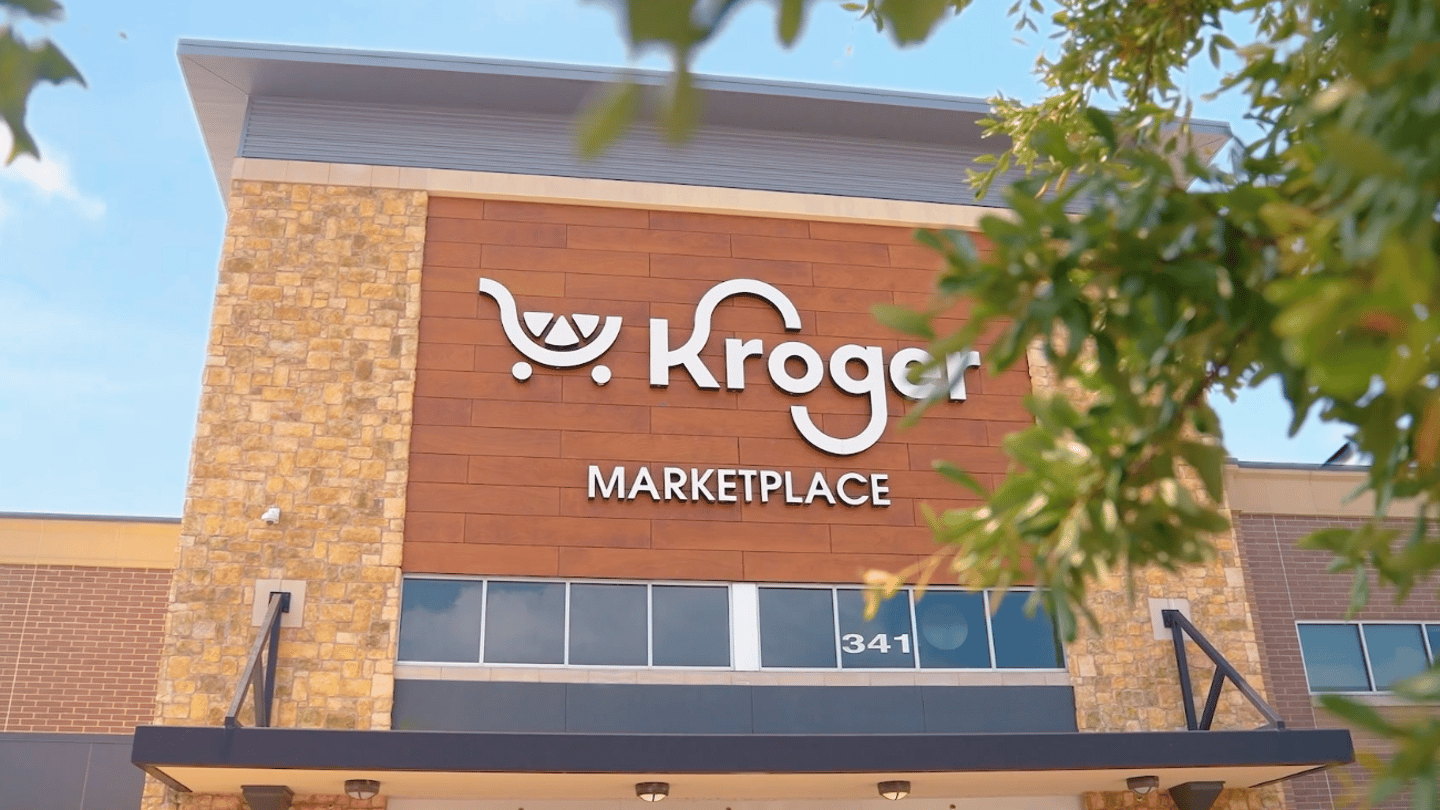
Kroger wants to strengthen the connection between its stores, digital business and loyalty data as it expands retail media, personalization and technology investments designed to improve the shopping experience.
The retailer's executives gathered last week in New York for Investor Day, with one primary goal in mind — building America's favorite grocer.
With Americans spending approximately $2.5 trillion on food each year, including more than $1 trillion on food at home, Kroger sees ample opportunity. As more grocery shopping moves online, Kroger's blend of store density, digital capabilities and fulfillment network gives it some distinct advantages.
Kroger CEO Greg Foran listed three priorities:
- Win the customer through more trips, bigger baskets and expanded reach.
- Drive digital growth and accelerate retail media.
- Modernize how Kroger operates, reducing complexity and cost, and increasing speed.
The In-Store Experience
Foran admits physical store execution has been inconsistent fleetwide. Returning to retail basics — clean aisles, fresh product, stocked shelves, inviting entrances, fast checkout — will be the primary driver for recovering lost market share.
"We made capital investments that did not produce the returns we expected. And we did not build enough new stores at a time when much of the industry was expanding quickly. The result is we lost share."
Kroger plans to accelerate in-store development through remodels and open 110 new stores by 2029. "Fresh" store layouts will offer more produce, ready-to-eat foods, prepared meals and private label SKUs.
Retail Media and Data
Kroger remains focused on the strategic connection between in-store loyalty engagement, closed-loop first-party data and its high-margin retail media business.
"We have approximately 2,700 stores across 35 states, a roughly $18 billion e-commerce business and a $40 billion Our Brands business ... and around 95% of sales [are] tied to a Kroger loyalty card," Foran said. Kroger expects its e-commerce arm to account for 30% of its business over the long term. "These assets, they work together. Stores give us proximity and enable pickup and delivery. More digital engagement gives us better data. Better data strengthens personalization and our retail media business."
Merchandising and Private Label
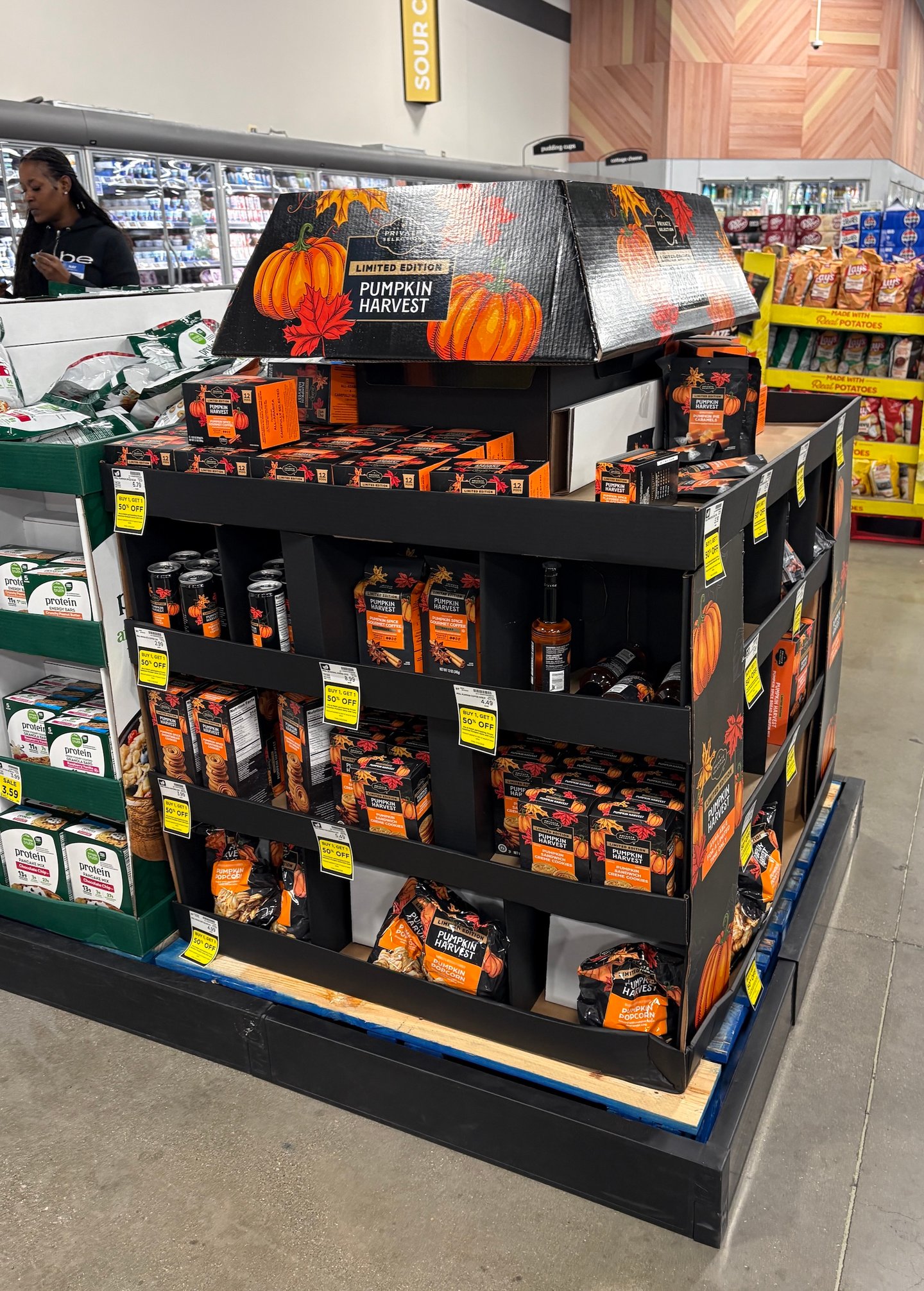
Kroger says its $40 billion private brand portfolio is a core differentiator and a margin driver, with the retailer expecting its owned brands to grow more than 15% annually through 2029. Simple Truth is already the largest natural and organic brand in the U.S., reaching 30 million households, according to Mary Ellen Adcock, EVP and chief merchant and marketing officer. Kroger expects Private Selection to become an over $5 billion brand over the next three years.
As a result, Kroger is setting multi-year growth targets for premium and health-focused labels such as Private Selection and Simple Truth, as well as competing against restaurant meal occasions.
"Meals are an exciting opportunity for us as we better answer the question customers still ask every day: What's for dinner? … Every night that we win the weeknight dinner is a trip that would have gone to food away from home, which is a $1.4 trillion market. … We see tremendous upside as we only have 4% share," Adcock said.
Tech Investments
Kroger remains focused on artificial intelligence and other tech advancements across its operations:
Artificial Intelligence: Available across all banners, the AI shopping assistant removes friction by reducing customer effort, resulting in higher order completion rates and increased return frequency. Repeat users spend 11% more and make more frequent trips. AI also detects operational problems and alerts employees for prompt correction.
Robotics: Kroger currently operates about 900 robots in stores and plans to deploy more than 2,100 by 2029 to manage out-of-stock items, promotional displays, price verifications, stock detection and truck completion verifications.
Digital shelf labels: Kroger has installed more than 36 million digital shelf-edge labels across 1,100 stores. It expects to have the electronic tags in more than 2,400 stores by 2029.
Computer Vision: Kroger shares data collected via computer vision with supplier partners, improving on-shelf availability and product velocity.
Direct Sourcing Strategy
Kroger aims to scale direct sourcing from less than 1% today to above 10% by connecting directly with producers. For example, Kroger has secured approximately 40% of its November 2026 imported grape volume directly from Peruvian growers supported by service partners. By eliminating intermediary margins, this approach leverages Kroger's scale to reduce costs and strengthen supply chain access.