The AI-Enabled Shopper Is Already Here; Are Stores Ready?

Half of consumers are now using an AI-enabled tool to discover products, while half of those are using AI to actually decide what to purchase. And most retailers, by their own admission, are not ready for what that means on the sales floor.
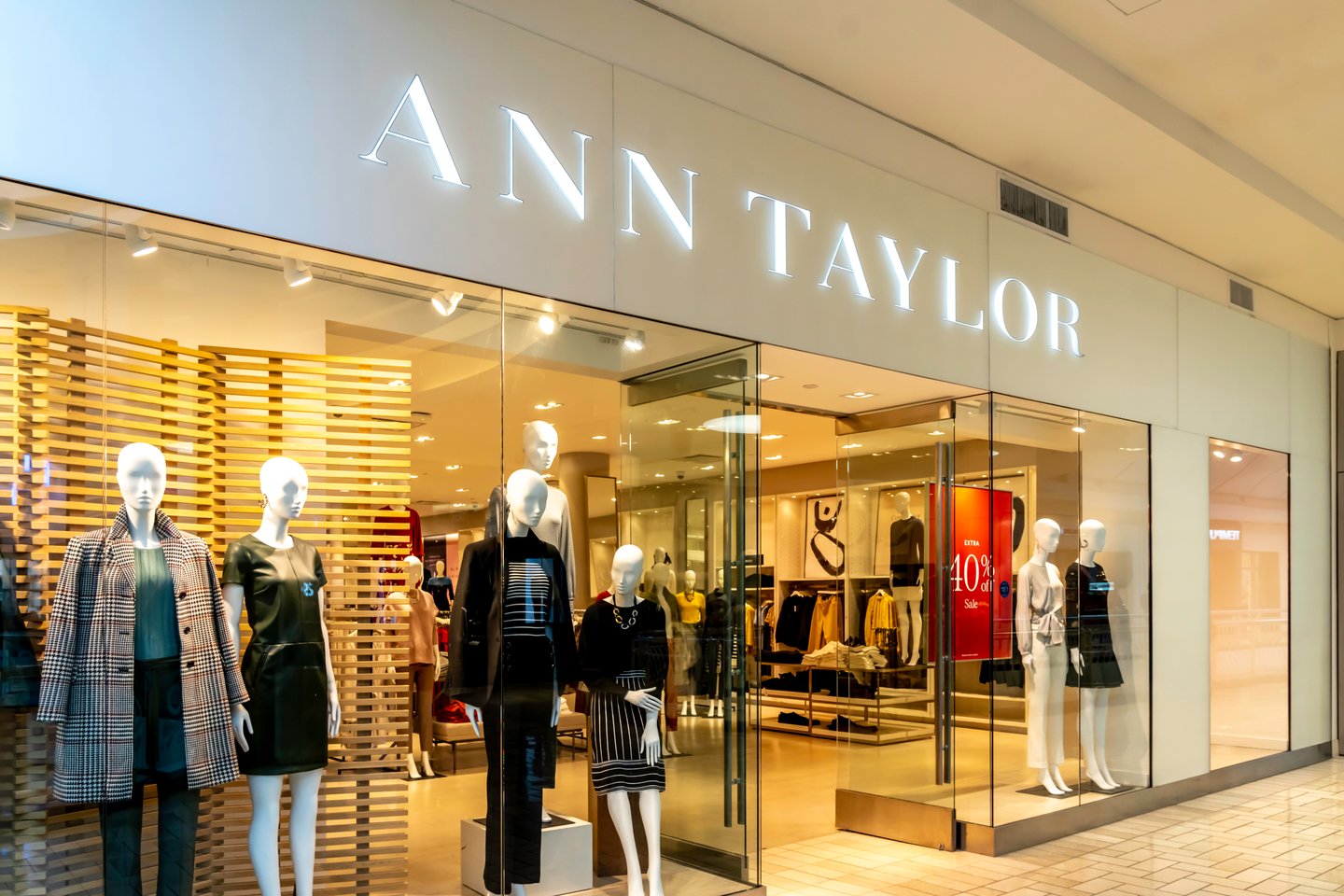
Those numbers, cited by Sonia Lapinsky, partner and head of fashion retail at AlixPartners, set the stage for a conversation at The Lead Summit last month that cut to the heart of what retail's AI moment actually demands of operators. Her interview with Patrick Walsh, COO of KnitWell Group, the portfolio company behind Ann Taylor, Loft, Talbots, Chico's, White House/Black Market and Soma, uncovered how the fashion enterprise with thousands of stores, tens of thousands of associates and millions of customer interactions is building for a shopper walking in with AI as her guide.
The urgency is real, and the data makes the case more compellingly than any technology demo could. AlixPartners' Consumer Sentiment Index, a broad-based survey of 9,000 U.S. consumers, tracks five pillars of what matters most when shopping fashion: price, product, service, access and experience. This year's results might recalibrate priorities across the industry. Service jumped 34% in importance year over year, while price fell 13%.
In a moment defined by tariffs, inflation and relentless promotional pressure, the consumer is telling retailers something they may not want to hear: She’s more interested in truly being known by the brand rather than having yet another discount thrown her way.
For Walsh, that finding aligns directly with what KnitWell is building. The challenge with deploying AI is in implementing it in a way that makes human connection more possible, not less. "She just wants somebody to get her name and understand why she's here," he said.
That philosophy is being pressure-tested at Talbots, where KnitWell has piloted a proprietary AI-assisted clienteling tool called Concierge. Over the last decade, Talbots associates have written more than five million individual handwritten thank-you notes to customers. When it came time to find productivity gains through AI, that culture set a high bar for what authentic would actually look like.
The pilot focused on a core clienteling challenge: Ahead of a major brand event, associates are typically served a list of approximately 750,000 individual customers to contact. Historically, teams got through up to 300,000 of those contacts at best.
But Concierge helped KnitWell staffers plow through 92% of the list, with meaningful increases in traffic and appointments to match. The most important part, says Walsh, is that no email, text or call goes out without associate involvement. The tool drafts communications in the associate's voice and delivers them ready to go, but the human oversight stays intact.
Walsh sees a straight line from Talbots to Ann Taylor and Chico's, both of which also have strong clienteling cultures. Soma is a different case because the fit appointment is a gateway to lifetime value there, and the AI outreach question hasn't been fully answered yet.
Operationally, AI implementation fits within a broader rethinking of what stores are for and how they should be measured. At Ann Taylor, only 35 out of every 100 in-store transactions involve selling an item to a customer. The other 65 are BOPIS pickups, e-commerce returns and ship-from-store activity.
In response to this shift, KnitWell has developed two additional core KPIs — cost to serve and productivity — that incorporate omnichannel workload, allowing the company to staff appropriately without penalizing the customer who came in for a fitting room appointment.
Walsh advises store operators navigating their own AI strategies to find one focused use case, one engaged team, learn and refine before scaling, and be mindful of incentives. His own family's recent in-store experience illustrated the point: An associate offered a 25% discount in exchange for booking an appointment, a corporate metric that had nothing to do with what the customer needed in that moment.
"The corporate organization has a false sense of what's actually happening out there," he said, "because the teams are incentivized to do things that are not natural to the consumer."