Uncovering What Impacts Grocery Consumers’ Purchase Journey

For many consumers, grocery shopping is at least a weekly task. Whether their list includes stock-up items or ingredients for a last-minute dinner idea, shoppers are thinking about what they need and the best way to get it.
Along the way, they have become more adept at navigating each trip, blending mixed-channel discovery, in-store and online buying as well as pickup and delivery options, according to research from 84.51°.
The most recent Consumer Digest from retail data science company Kroger Precision Marketing, powered by 84.51°, reports that while grocery lists can vary widely by trip, omnichannel shoppers move between an array of options to fulfill their grocery orders, giving brands the opportunity to speak to shoppers at multiple points — and often — throughout the journey.
Nearly half of omnichannel shoppers say they are shopping online more than they were a year ago, but in-store remains the dominant trip type. The study found that 74% of grocery trips still happen in-store, compared to 26% via pickup or delivery, highlighting that physical stores continue to play a central role in the shopping journey.
Brands and retailers can win in both the digital and physical grocery aisles when they show up across the full journey from mobile discovery to in-store decision-making. Digital touchpoints help drive physical trips, the study suggests, by aligning messaging to how shoppers actually move between the two.
Shoppers Choose Channels Depending on the Trip
When it comes to stocking up on the essentials, consumers are filling their carts online more often. It’s a matter of convenience, the study suggests, as shoppers turn to online buying for efficiency and flexibility.
A majority of shoppers (65%) have switched to shopping online to save time, 44% like being able to shop anytime and anywhere, 35% simply use it to avoid crowds.
Brick-and-mortar is the route consumers take when they want more control over the experience and to save money.
Findings showed that 42% of shoppers still prefer to pick their own items, 35% want to avoid delivery or pickup fees, and 33% don’t want to risk getting the wrong item. This is especially true for fresh and high-consideration categories, where shoppers want to browse, compare and select items themselves.
Brands should remember that winning in‑store starts upstream. Digital awareness and consideration carry through to the shelf, when shoppers make faster decisions about what goes in the cart.
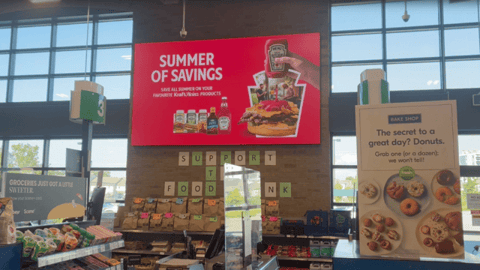
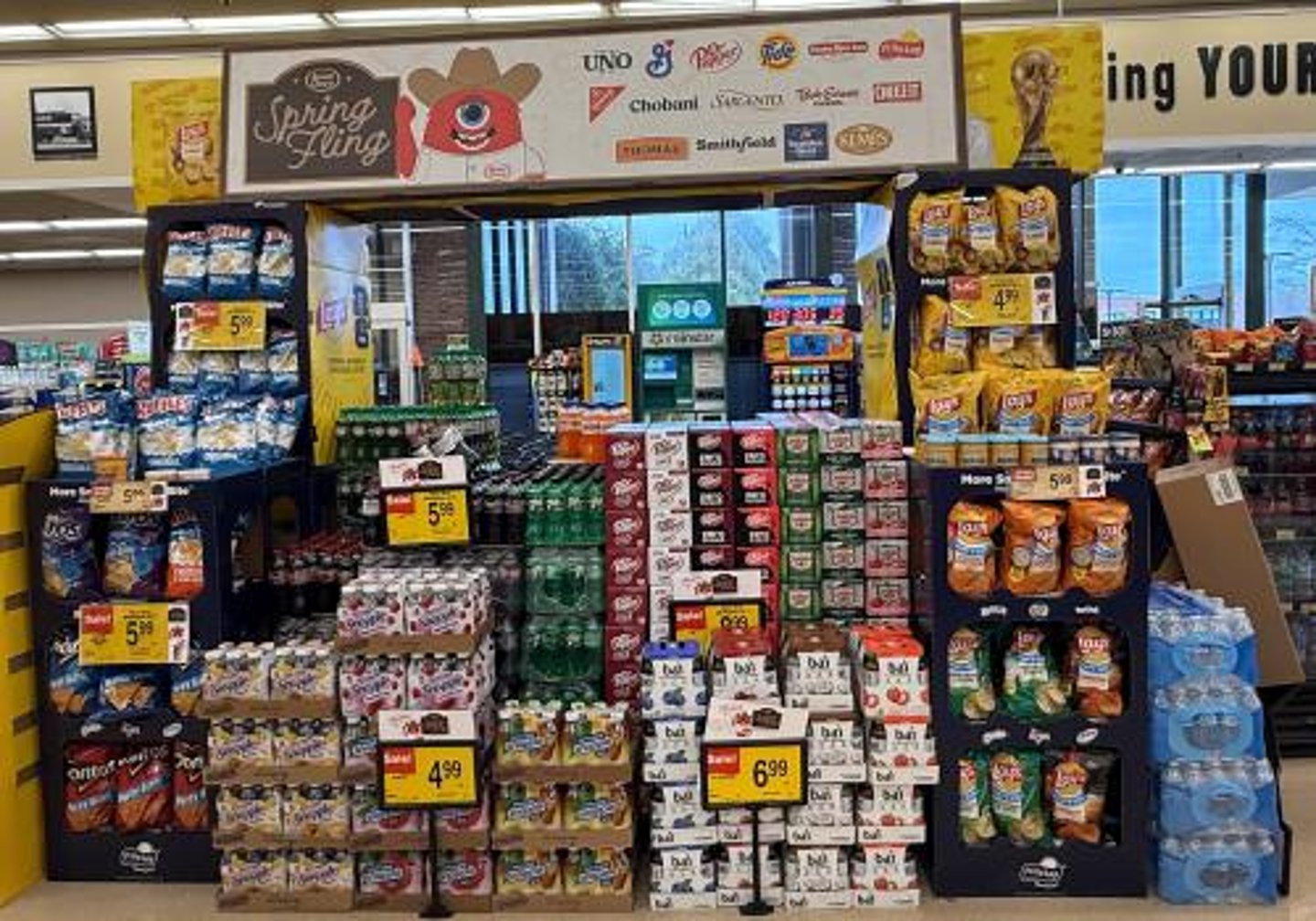
For those consumers shopping in-store for their routine stock-up trips, brands can grab additional sales through on-site basket-building activations. Relevant add-on offers, bulk discounts and messaging tied to stock‑ups encourage regular purchases, the study suggests.
Shoppers Blend Channels for a Connected Journey
Oftentimes, consumers’ grocery trips are no longer separate experiences, but rather a mix of online and in-store shopping. More than a third of shoppers (39%) discover products online first and buy them in-store, while slightly fewer (34%) take the opposite approach, finding what they need in-store and then purchasing online.
To ensure they’re getting the best deals, 30% search for coupons on their phones while shopping in-store. A full 80% of omnichannel shoppers use their phones while shopping, whether for coupons, lists or navigation, the study said, suggesting that brands have a good chance of grabbing consumers’ attention via their mobile and digital efforts.
But as more discovery happens online and conversion in-store or vice versa, it becomes hard for brands to measure media performance. Therefore, optimizing investment relies on tying media spend to retail outcomes at the shelf.
Omnichannel Loyalty Depends on the Need
Nearly 1 in 3 shoppers "sometimes" or "always" buy different brands in-store and online. While brand preferences can shift depending on context, channel and mission, CPGs must remember that shoppers may not have the same loyalty across channels.
It becomes more about convenience, value and relevance in the moment when shoppers are choosing which brand to buy. Brands need to ensure a consistent presence across digital and physical touchpoints in an effort to influence choice earlier in the journey — and increase the likelihood of conversion, regardless of where the final purchase happens.