GLP-1 Is Driving Discovery Across Channels; Are Brands Showing Up Correctly?

While it can be tempting to seize a trend for all its worth, CPG brands would be wise to take a more nuanced approach when it comes to GLP-1 medications, according to recent research from the Acosta Group.
For one thing, shoppers don't necessarily want to be constantly reminded that they're a GLP-1 user, Mark Rahiya, Acosta group president of omnichannel sales and services, shared with the Path to Purchase Institute during the National Association of Chain Drug Stores (NACDS) Annual meeting earlier this month.
They feel better and are seeking out additional protein and smaller portion sizes, but they also don't always want others to know they're using the medication.
What's more, although 14% of U.S. consumers are using a GLP-1, brands that lean in too heavily to "GLP-1 friendly" messaging risk alienating the 86% who aren't and think these products aren't for them, he stressed.
Halo Effects
Most GLP-1 consumers report an emotional lift from the weight loss related to perceptions of their appearance, according to Acosta's research, which was conducted in February. More than half of study respondents felt more positive about their appearance; 43% were motivated to take better care of their appearance, and 29% expressed more confidence in social settings.
As a result, they're more likely to purchase beauty and personal care products focused on specific benefits, with interest highest for Gen Z and Millennial GLP-1 consumers.
See also: Understanding What Drives Seasonal Purchase Decisions
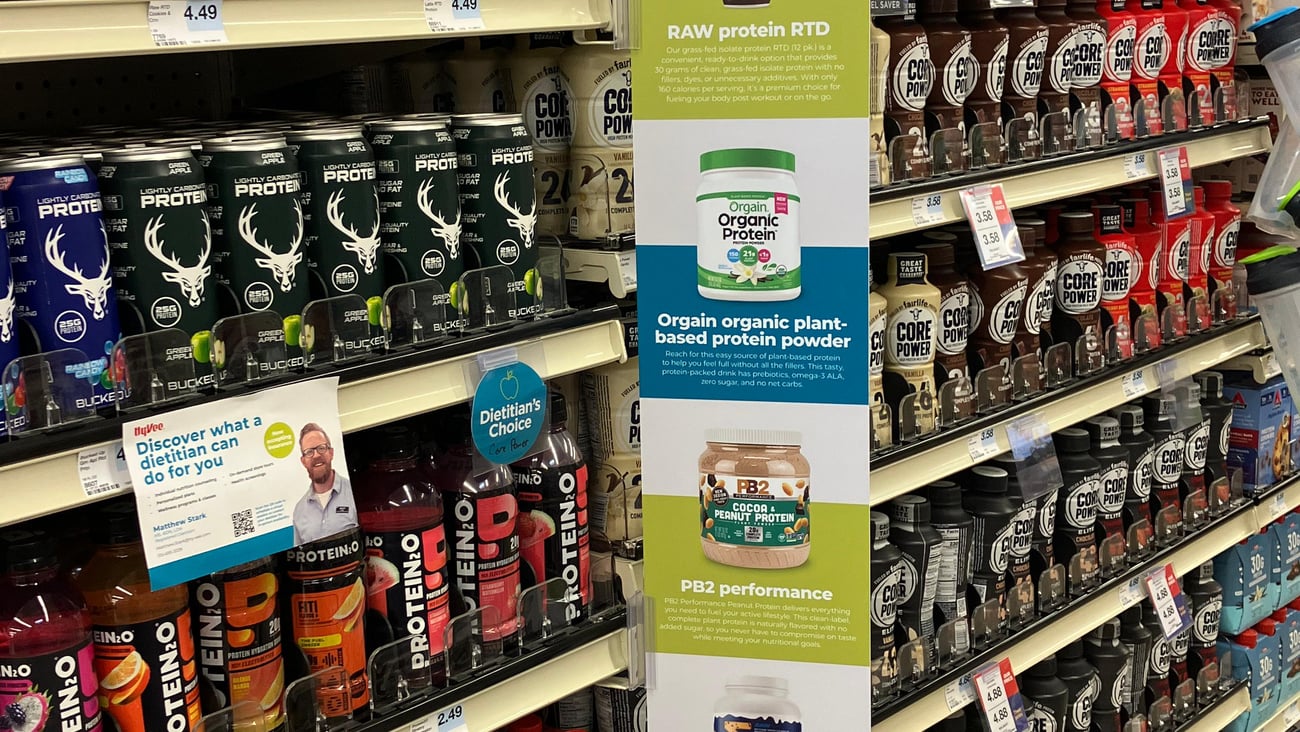
Beyond changing their own grocery habits, many GLP-1 consumers in Acosta's study reported that their healthier eating patterns are influencing their entire household. They’re buying more fresh produce, yogurt, fresh chicken and protein-focused products like shakes, powders and bars, while cutting back on sweets, salty snacks and sugary drinks both in-store and online.
Interest is especially strong among Gen Z and Millennials in high-protein, high-fiber, hydration and gut health products, spurring desire for nutrient-dense product innovation. Nearly all users reported a broader shift in their relationship with food, with 41% saying they feel positive about the changes they’ve made.
About half see improvements in their household’s overall eating habits, rising to 79% among Millennials.
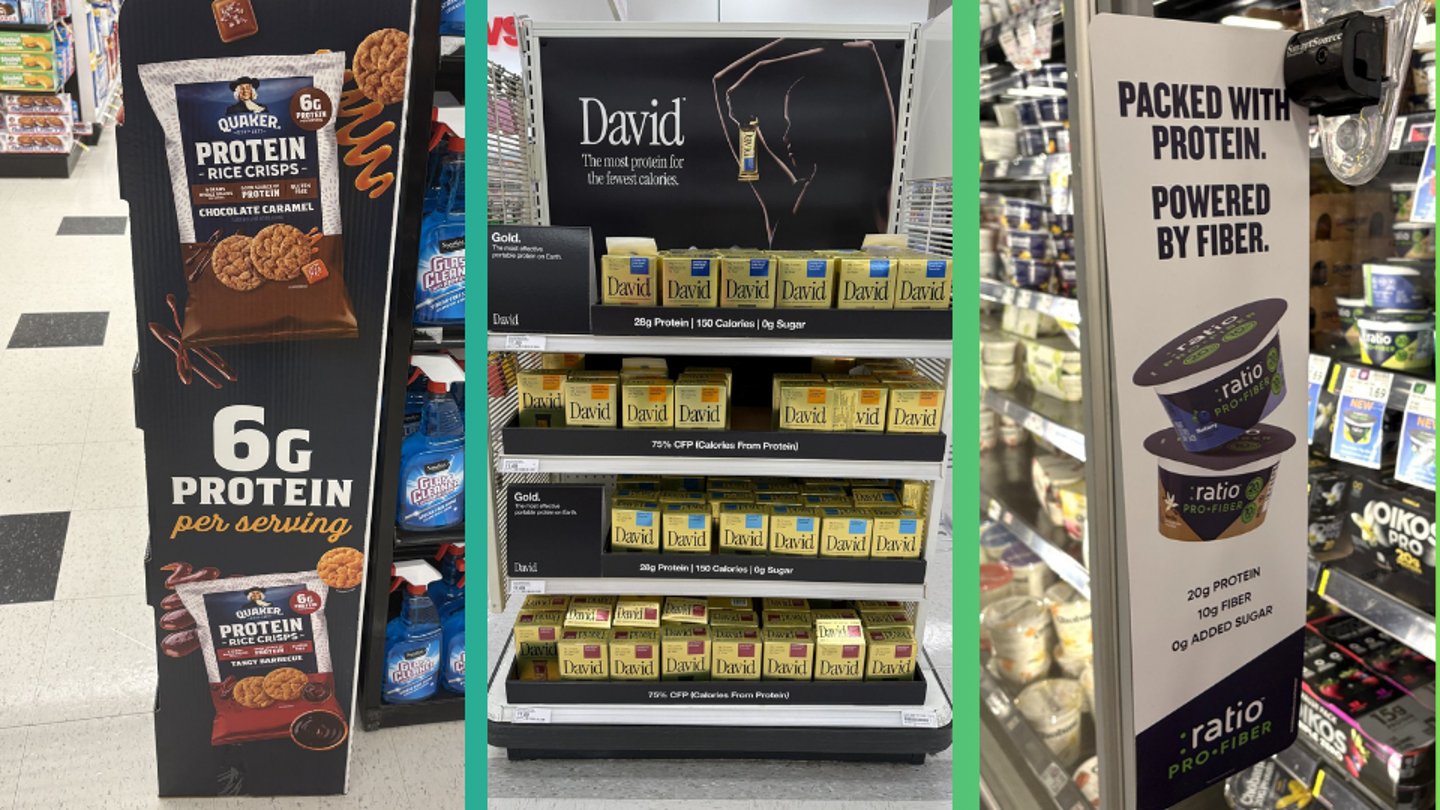
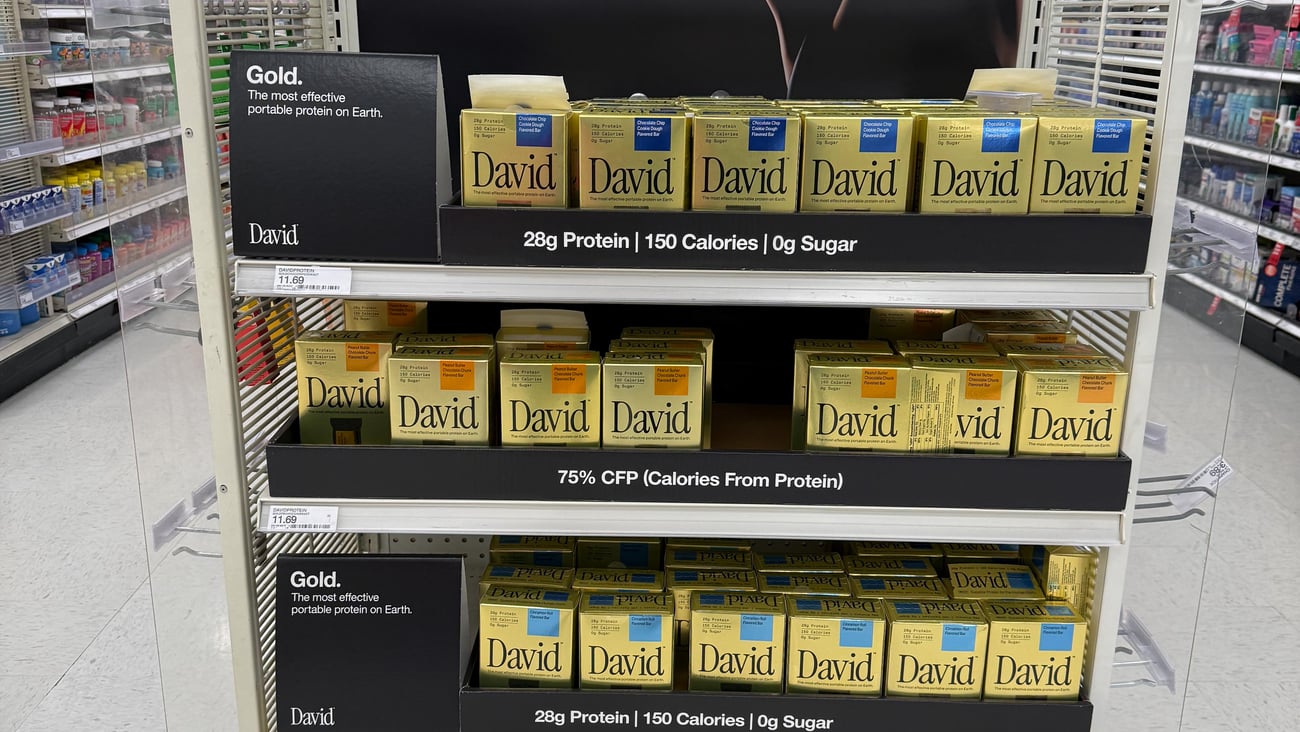
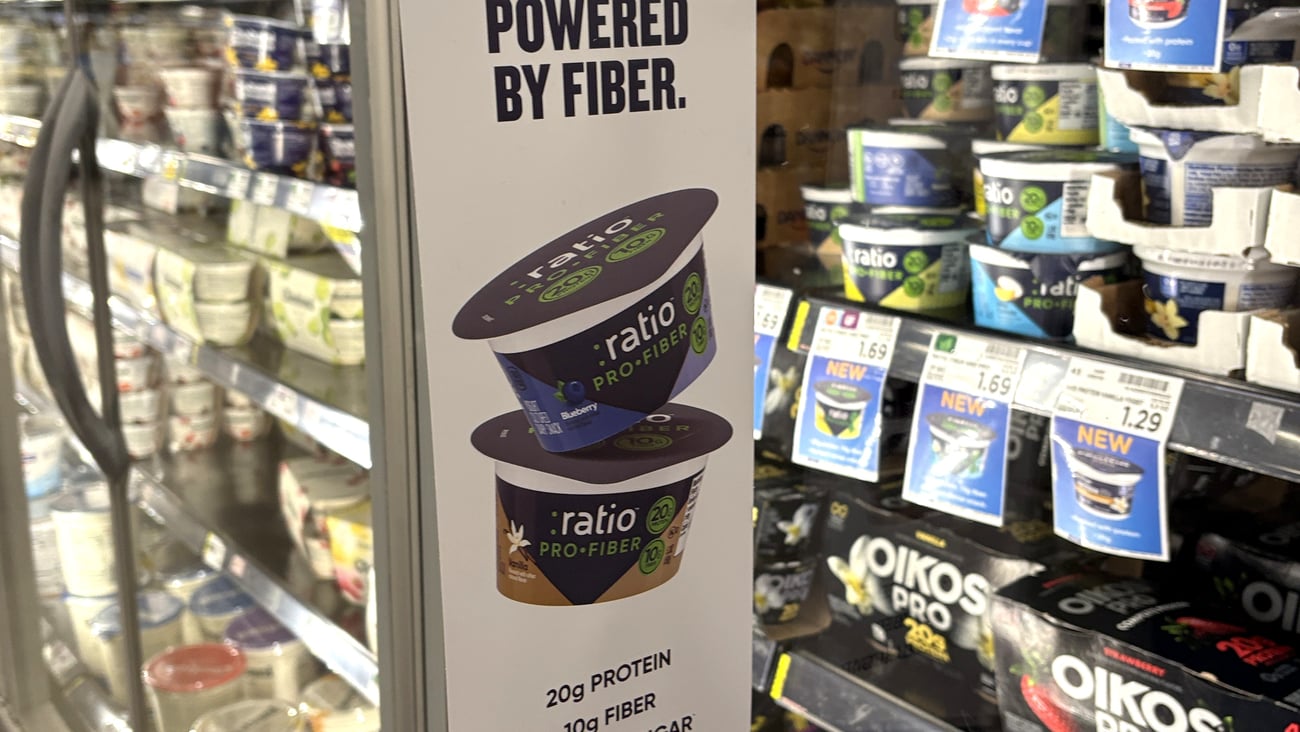
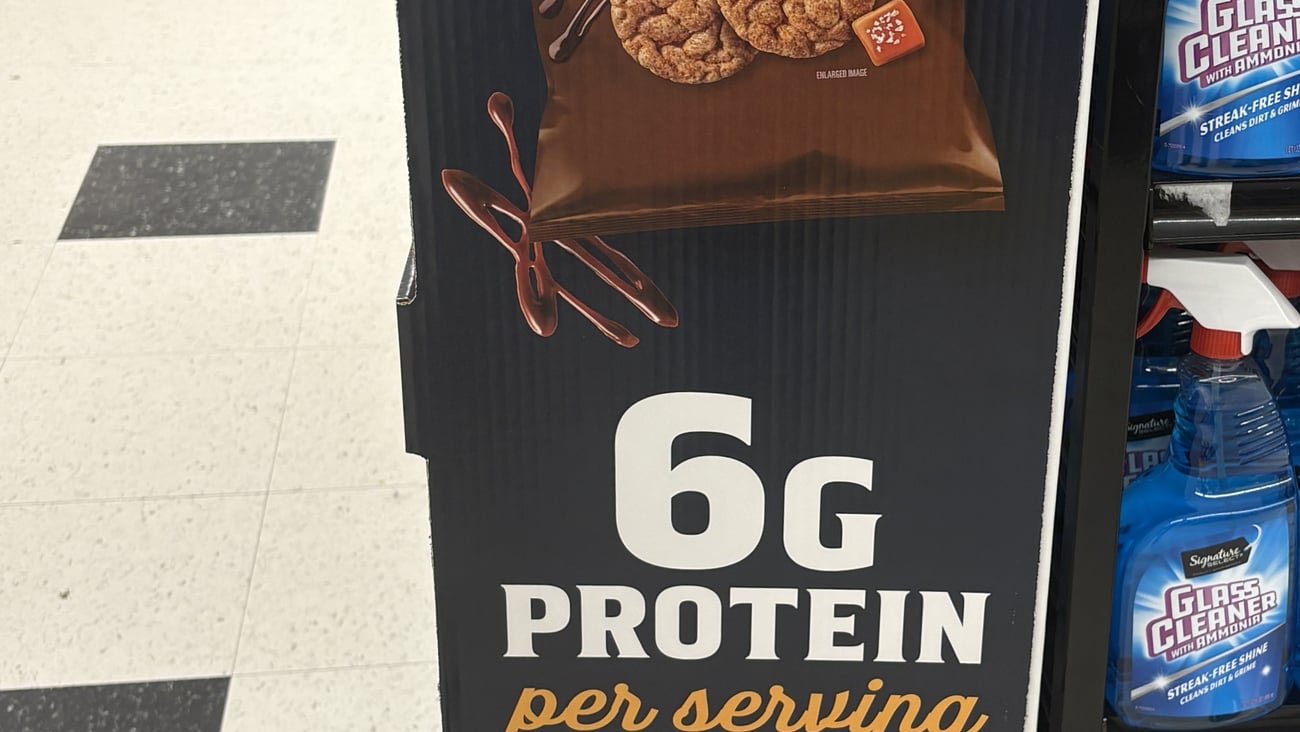
In-Store Examples from P2PI's Image Vault
Discovery and Long-Term Implications
For CPG brands, discovery is a critical component of connecting with GLP-1 users, as 70% of them conduct product or health research to support their weight loss journeys.
Gen Z and Millennial users are most likely to research online, via social media (57%), AI apps and websites (41%), and retailer apps and websites (38%), per Acosta.
In-store education also has an impact with these consumers, and retailers are responding at different speeds, said Rahiya. While some are adjusting space to support more displays aligning with the trend and high-growth brands, the long-term implications on total store strategies remain to be seen.
See also: Inside Shoppers’ Spring Cleaning Habits
Ultimately, the behavior shifts borne from the GLP-1 increase are reflective of consumers' larger shift toward health and wellness, said Rahiya.
The brands that step back and shape a more holistic innovation and marketing approach for the next five years are more likely to win vs. the ones that are simply reacting to the current GLP-1 increase, especially as younger consumers assume more purchasing power, he noted.