How AI Is Reshaping Retail Media Roles

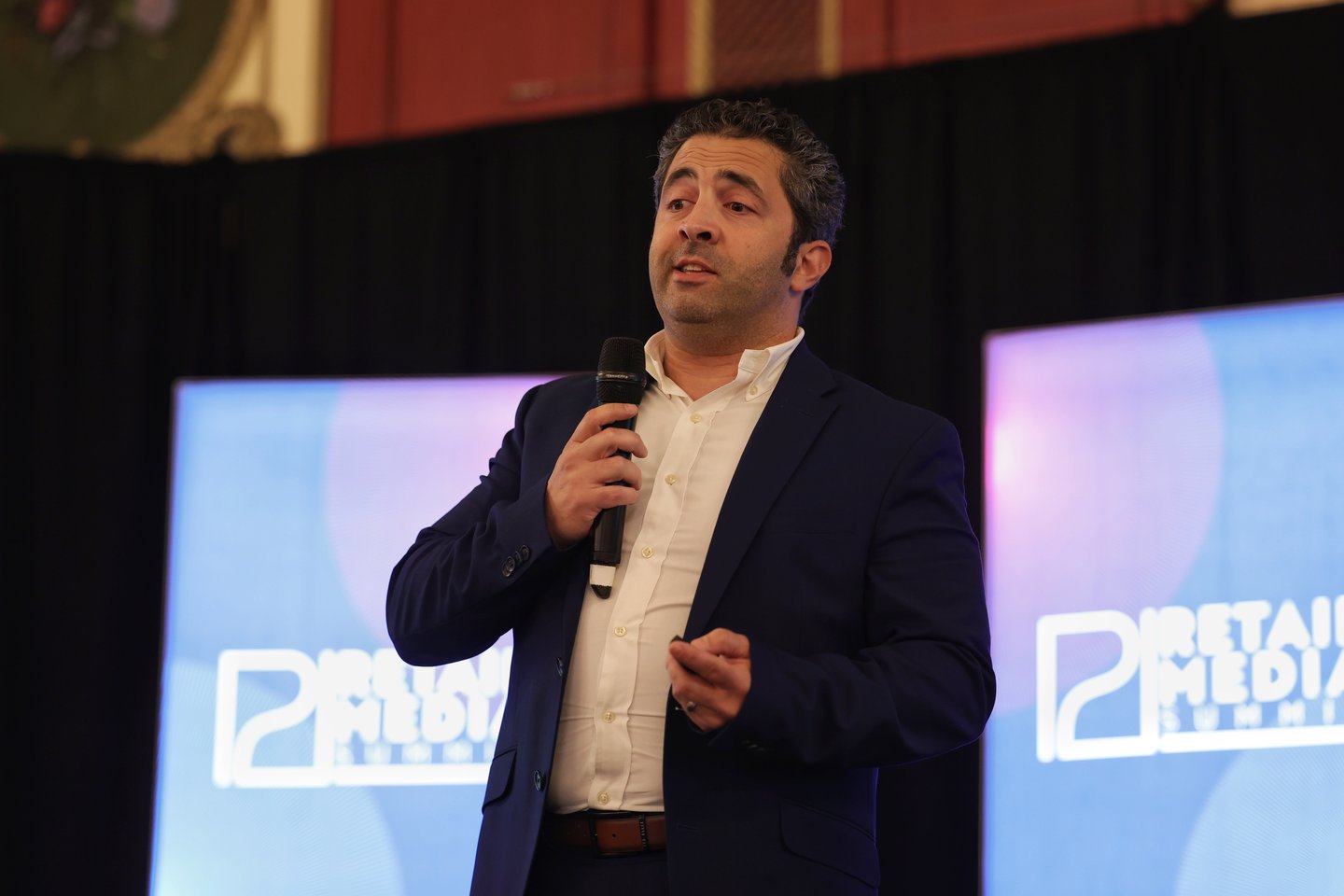
As artificial intelligence increasingly automates bidding, forecasting, reporting and campaign optimization, retail media professionals shouldn't wonder if the technology will take their jobs, according to Sarp Tunçay, e-commerce and retail media lead at Ferrero.
Speaking at P2PI's Retail Media Summit last week, Tunçay argued that the bigger risk isn't replacement, but rather irrelevance.
Using a story about his 4-year-old son, Kai, who suggested using an AI app to create a bedtime story built around characters he chooses, Tunçay illustrated how the relationship between humans and AI is evolving. While AI can write the draft, he said, people still decide what matters.
That same dynamic is playing out in retail media. AI is already embedded in many of the tools professionals use every day, helping automate routine tasks such as bid adjustments, budget pacing, reporting and anomaly detection. As those execution-focused responsibilities become increasingly automated, the value of human work shifts toward judgment, strategy and business decision-making.
According to Tunçay, retail media work is increasingly splitting into two layers: an execution layer that can be automated and a decision layer that still requires human judgment, context and accountability.
"The job is not disappearing. It is changing shape," Tunçay said.
He described the industry's evolution as a shift from "operator" to "decision-maker" and ultimately to "orchestrator." Orchestrators being those who connect signals across retailers, translate performance into business outcomes and help guide strategic decisions rather than simply manage campaigns.
Rather than spending time managing platforms, future retail media leaders will be expected to interpret signals, evaluate trade-offs, connect insights across stakeholders and influence business outcomes.
"The answer is to move closer to decisions," Tunçay said. "That means learning the business levers, margins, constraints, growth goals and how you define success. The more you understand the trade-offs, the more useful you become."
The greatest risk, he argued, isn't that jobs disappear altogether, but that practitioners become disconnected from the business decisions that ultimately drive growth.
His closing message: Let AI handle the draft work. Humans should focus on shaping the story.
"AI may write more of the draft," Tunçay said, "but your real value is choosing the characters, the questions and the decisions that shape the story."