Report: Cyclospora Concerns Push Shoppers Toward Frozen, Canned Foods

The recent cyclospora outbreak is prompting changes in how shoppers buy, prepare and consume fresh foods, according to new research from Chicory.
A survey of 1,044 U.S. consumers found that more than 90% had at least some awareness of the outbreak before taking the survey, with 56.7% saying they were following it closely and understood the details. Only 9.5% said they were hearing about it for the first time.
That awareness is translating into behavior at the grocery store. More than 60% of respondents said the outbreak has already changed what they buy, including 29.2% who reported making significant changes and 31.4% who said they had made some adjustments. An additional 17.2% said they are considering changing their shopping habits.
Food safety concerns can quickly reshape purchasing decisions, particularly in fresh departments where consumer confidence is critical.
Indeed, fresh produce has been hit hard. More than half (51.8%) said they have purchased fewer bagged salad kits during the past month, while 43.7% reported buying less loose lettuce or leafy greens.
While 30% said their produce purchases have not changed, respondents reported that they've reduced purchases of fresh berries (29.4%), fresh herbs (28.3%) and other fresh fruits and vegetables (19.6%).
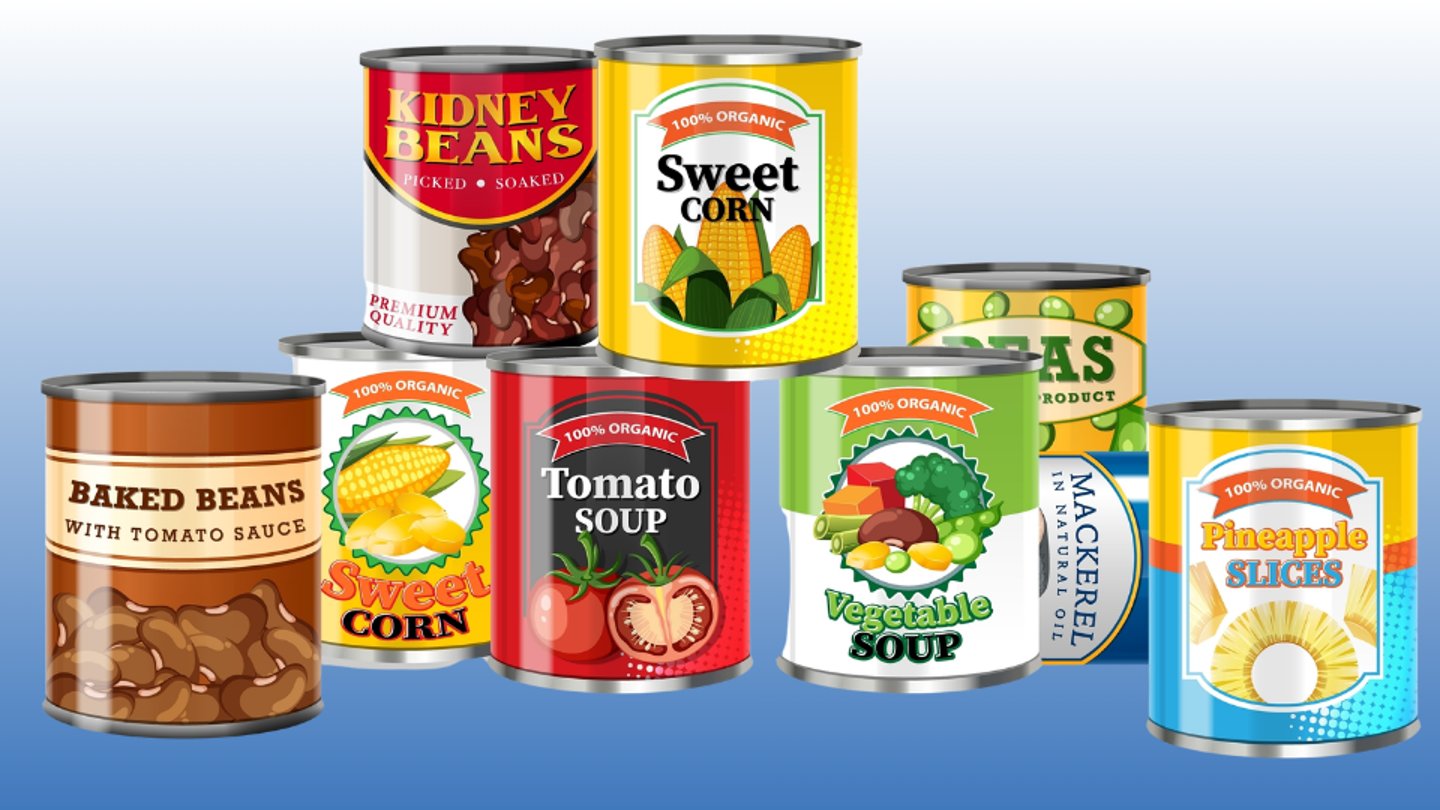
Many shoppers are also substituting fresh produce with products they perceive as lower risk. Frozen fruits and vegetables were the most common replacement, selected by 32.3% of respondents, followed by canned produce (28.5%) and jarred or shelf-stable products (17.3%). At the same time, 26.2% said they are simply eating less produce overall, while 40.5% reported making no substitutions.
Food Safety Concerns Ripple
The outbreak's impact extends beyond the supermarket. Nearly half of consumers said it has influenced their restaurant habits, with 29.9% avoiding certain menu items and 18.2% avoiding restaurants altogether. About 30% said their dining habits have not changed, while 21.6% said they rarely eat at restaurants regardless.
Home cooking has also increased for many households. More than 44% of respondents said they are cooking at home more because of the outbreak, including 29.2% who reported cooking much more often. However, a slight majority (55.2%) said their cooking habits have remained unchanged.
While many consumers have maintained their usual routines, the results reinforce how quickly food safety concerns can spider across the food industry, impacting brands and retailers alike.