How Chewy Is Helping Brands Reach Pet Parents Earlier

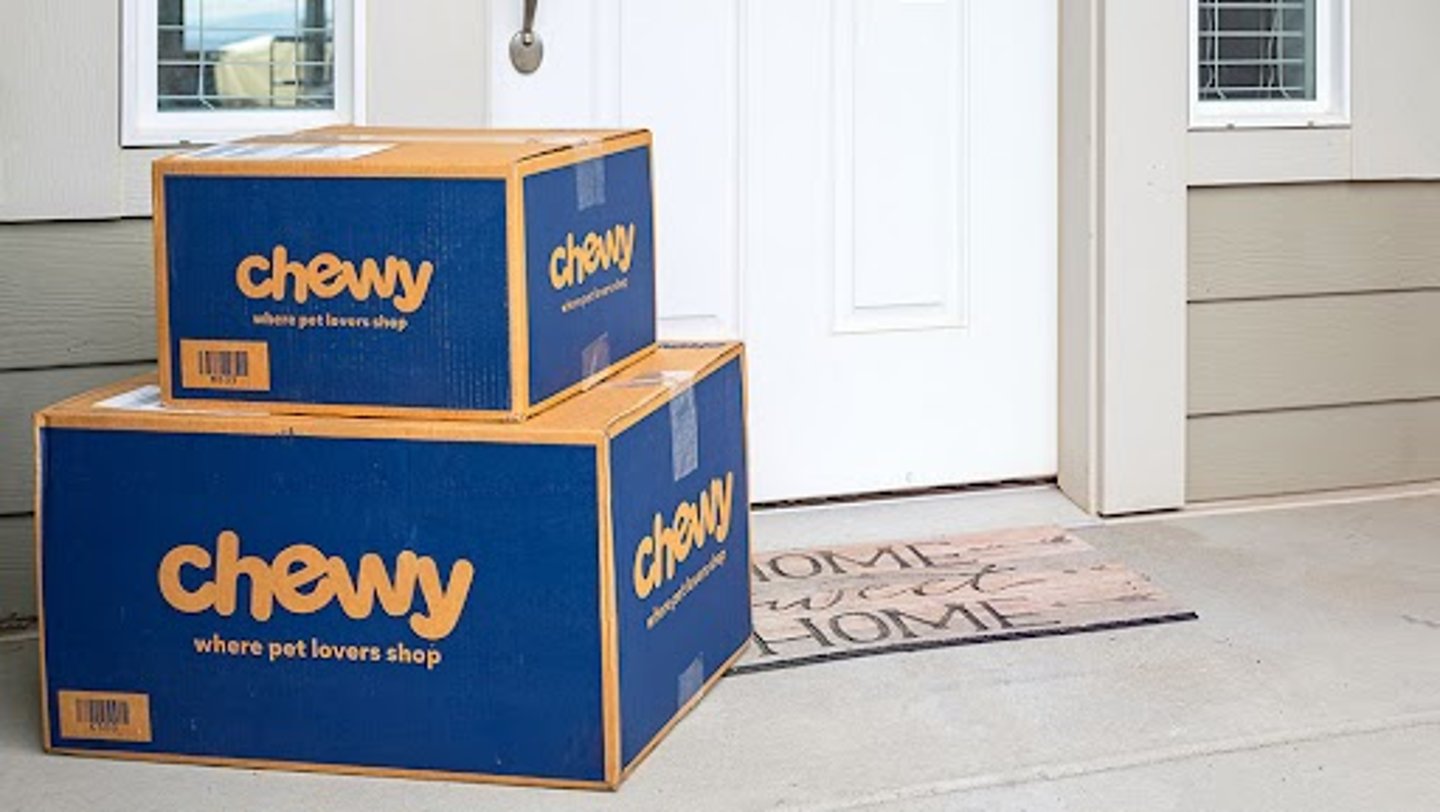
Relying on tail wags and turned-up whiskers when shopping for pets only gets you so far. Although many of pet owners' purchases are relegated to "set and forget," pet needs shift with life stages, health concerns, household routines and preferences.
For brands, that means educating shoppers who may not be actively browsing, but may still be open to guidance when the right need emerges, Frank Mulcahy, head of Chewy Ads, told P2PI.
The stakes to secure loyalty can be high. "Eighty-four percent of [Chewy's] revenue is through Autoship because once somebody comes in, they tend to stay because of that convenience factor and that selection factor," he noted.
Brands that want to interrupt the repeat-purchase cycle must recognize that when shoppers require more info on emerging trends, there's a limit to relying only on shoppers who are already searching on-site.
See also: Blue Buffalo gives pet parents a reward during tax season
Mulcahy pointed to the explosion of the fresh and frozen pet food category. (Dollar sales of refrigerated and frozen pet food have risen by double digits in each of the last four years, Circana reported in April.)
Chewy is leveraging off-site and upper-funnel media, including TV, along with its own pet data, to identify shoppers who may be interested in the category. The goal is to work closely with pet food brands to build awareness and education around the value these products offer pets, said Mulcahy.
Similarly, many pet parents do not consider weight-management food until later in a pet's life, even though earlier intervention could support long-term health, Mulcahy said.
On average, pets that are put on a weight-loss diet are 11 years old, which is "too late to help a pet," he said.
Because food often equals love, shoppers may need guidance on how therapeutic diets can support a pet's longevity.
Signals and Signs
Mulcahy said Chewy looks at signals such as internal search traffic, PDP views, inbound customer calls and whether shoppers pause or change their Autoship orders to understand when they may be open to trying something different.
The goal isn't to ask shoppers directly if they're considering a change, but to recognize shifts in behavior and use those signals to deliver more relevant messaging on-site, off-site and through paid media, he said.
All of this requires data transparency and collaboration between retailers, brands and solution providers.
"There may be signals that our vendors are seeing that we’'e not seeing," Mulcahy said, pointing to the role of clean rooms in helping connect those signals. "It's a combination of first-party and third-party data and working together to then change the messaging we have for them."
Preparing for Agentic Discovery
With the advent of AI-enabled and agentic commerce, Chewy is also preparing for a discovery environment in which product content, data signals and shopper trust will carry more weight.
The retailer views AI-enabled discovery as another path of off-site influence, and it still depends on having the right content, attributes, pricing, selection and brand information so shoppers can find useful answers when they're considering a change, said Mulcahy.
It also adds more weight to education. If shoppers are relying on search, AI tools, retailer content, ratings, reviews and personalized messaging to make decisions, product info must be clear, accurate and tied to the real needs of the pet.
Mulcahy also pointed to the industrywide need for aligned retail and brand teams, which is in line with the broader industry. Without coordination across merchandising, marketing, media and supplier partners, the shopper experience can become fragmented, and brands risk missing the moments when pet parents are most open to education, he said.
"If you can make sure that you have alignment between merchant organizations and marketing organizations in a crisp and intentional way, it's better for all of us," he said. When that alignment is missing, "it causes friction for the vendors. It causes a bad consumer experience."
It's especially important for pet brands because of the shopper journey's dependence upon trust, timing and clear guidance. When parties aren't working from the same signals, messages may be poorly timed or lack the context needed to drive action.
"If we're customer-centric in all that we build, that's what will help longer term and maintain customer loyalty."