Back-to-School 2025: Overcoming the Stress
As the 2025 back-to-school season unfolds, retail stores are navigating challenging times, driven by consumer behaviors and economic realities. Parents have approached this year’s shopping season with a blend of caution and strategy, as well as a renewed appreciation for in-person experiences.
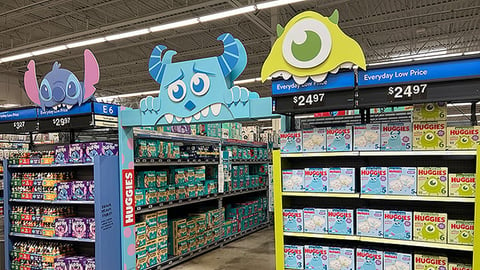
We noticed that, much to the dismay of students who had just started their summers, most major retailers began setting back-to-school activations in June.
Deloitte’s 2025 back-to-school survey shows why: 61% of back-to-school spending was expected to occur by the end of July.
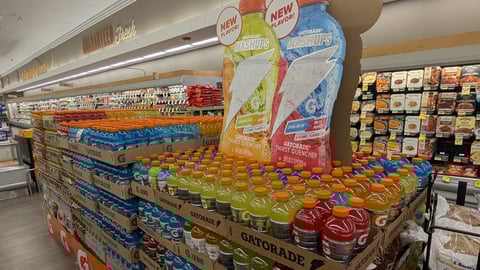
We have noticed that consumable items, such as personal care and lunch-box items, tend to be promoted and displayed later July and August, closer to school’s start.
Getting the timing of your activations correct is critical to winning through the duration of this season.
Despite economic uncertainty, spending remains solid. Deloitte estimates the average spending per child at $570, consistent with last year. However, families are increasingly value-driven, with 75% willing to switch brands for better prices.
This year, we seen brands utilize messaging that includes “recommended by teachers” and “#1” claims to drive differentiation and hold on to sales.
Shoppers are embracing technology to help final values. One-third of back-to-school shoppers plan on using AI, according to Deloitte.
Social media is also a prime source of inspiration for this shopping season, so tying all channels together is critical — with nearly 60% of shoppers saying they noticed a product’s in-store messaging after seeing digital ads.
We know digital channels are critical; and physical retail stores continue to be important to close the sale.
The top retail channel where parents will be spending the most: mass retailers such as Walmart and Target. Shoppers appreciate the value offered as well as the one-stop convenience and product availability.
This preference for physical retail is rooted in trust, control and the tactile experience —particularly for items such as clothing, backpacks and supplies that children want to see and touch. (Electronic gadgets tend to be purchased more online.)
Nearly two-thirds of parents say their children influence them to spend more, so creating fun, engaging experiences for children can capture more dollars.
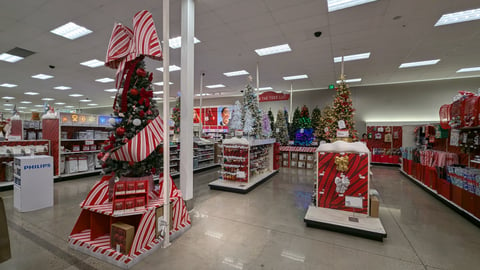
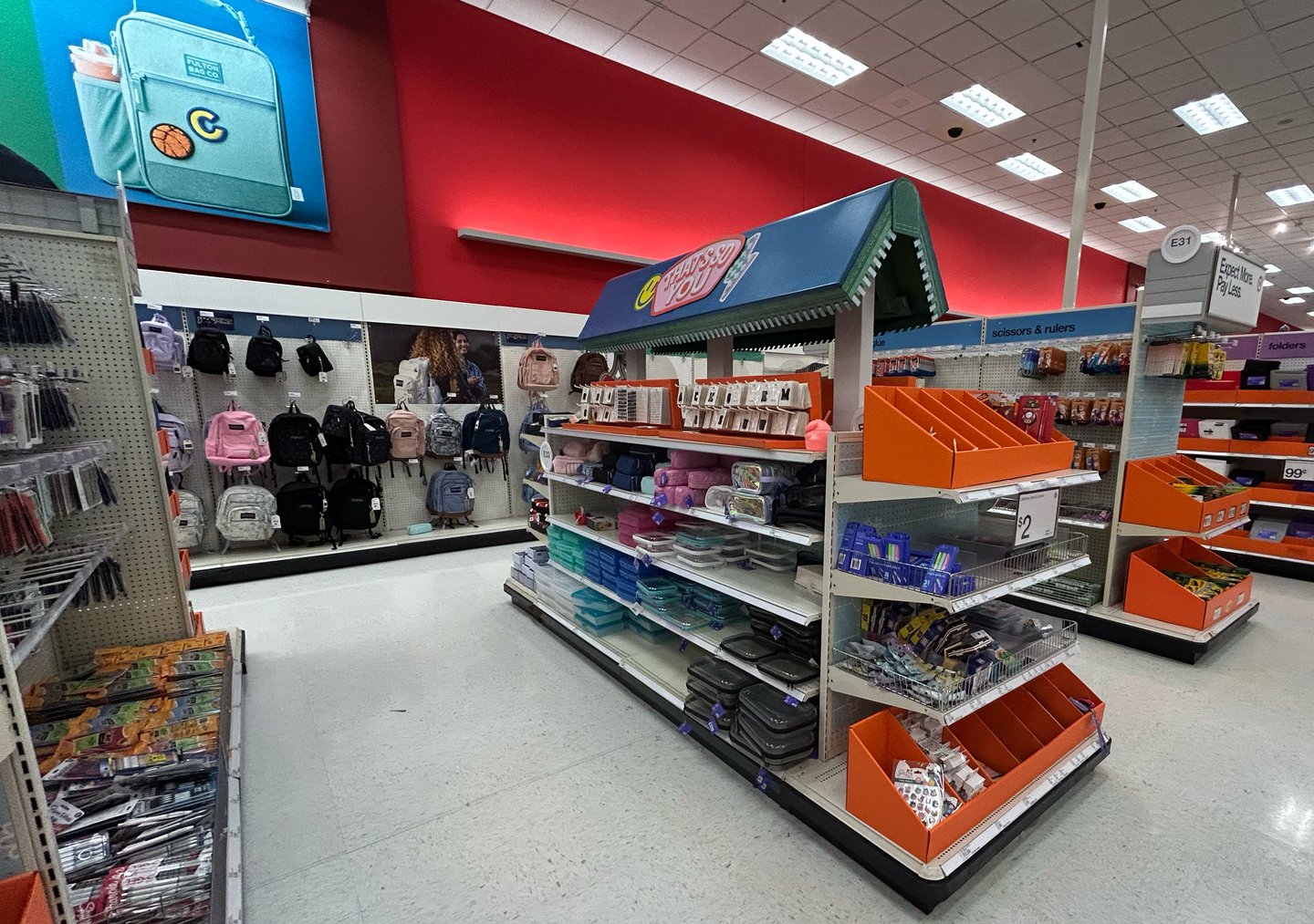
We see retailers such as Target and Meijer create fun seasonal departments using bold colors and fun motifs. It is no longer just plain school-bus yellow pallets.
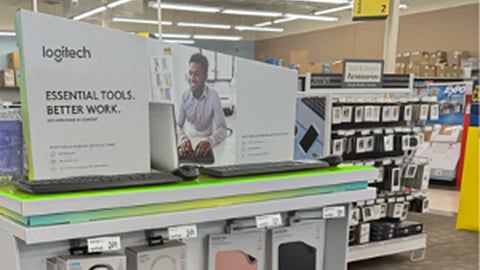
Products that can be customized or accessories to personalize your gear are placed in high traffic locations to engage children. This leads to non-list buys because parents want to see their children excited about school.
Meanwhile, personal care items are making a big back-to-school push. It is all about renewing routines at this critical change from a laid-back summer. Facial care products tout they are No. 1 for adolescents, while deodorants promote confidence.
Connecting with this key season helps drive incremental merchandising, and relevant messaging connects with the shopper.
Beyond transactions, back-to-school shopping in 2025 is a moment of emotional significance combined with stress. Families are seeking stability, routine and a sense of preparedness. Brands that recognize this deeper purpose can build lasting loyalty.
In a landscape shaped by economic caution and evolving consumer expectations, great activations at retail win.
About the Author: Dan Sabanosh is director of shopper marketing for Great Northern Instore, a leading designer and manufacturer of merchandising solutions, where he helps clients be more insightful when developing their retail programs. Before joining Great Northern, Sabanosh worked for Colgate-Palmolive in both shopper marketing and brand management roles.