Report Shows How Babies, Pets Reshape Shopping Trips

Parents and pet owners are changing the way they shop, with convenience, value and discovery driving decisions, according to new research from Kroger’s retail data science company, 84.51°.
The company’s latest Consumer Digest report spotlights how babies and pets reshape shopping trips — affecting what goes into the cart, where households shop and which factors matter most when choosing brands.
Parents Seek Value, One-Stop Convenience
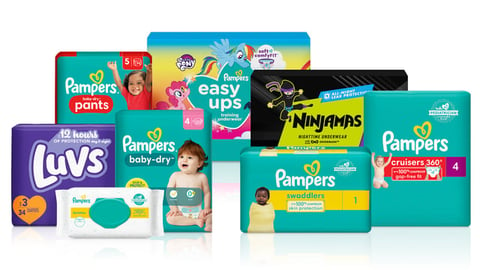
For households with babies, convenience and affordability go hand in hand. Eighty-one percent of shoppers said sales, promotions and coupons motivate them to combine baby and non-baby purchases, and more than half want cross-promotions that pair baby items with complementary products.
Affordability is the top priority for diapers and baby food, but parents also seek attributes such as leak protection and age-appropriate formats.
The arrival of a baby reshapes the entire cart: Purchases of fresh produce, yogurt, cheese, cleaning products, laundry detergent, paper towels and other household staples all see a boost.
Pets Get the Family Treatment
Pet owners are also adjusting their shopping routines. While in-store remains the primary channel for pet purchases, many households are mixing in online and pickup options — particularly for dry food, treats, toys and grooming items.
- Dry food: 74% in-store, 16% pickup, 35% online delivery.
- Wet food: 59% in-store, 11% pickup, 20% online delivery.
- Treats/chews: 81% in-store, 14% pickup, 34% online delivery.
- Toys: 79% in-store, 10% pickup, 34% online delivery.
- Grooming items: 67% in-store, 6% pickup, 33% online delivery.
Most pet owners still discover new products in-store, but dog owners are more likely than cat owners to do so via social media.
When choosing pet food, shoppers rank everyday low price as the most important factor (64%), followed by digestibility (57%), brand reputation (46%), flavor variety (42%) and dental benefits (35%).
Economic Impact
The current economic climate is influencing pet spending, with many households cutting back on both essentials and extras. According to 84.51°, most consumers remain concerned about inflation and overall spending.
- 64% of pet households are purchasing fewer toys and accessories.
- 55% are opting for less expensive treat options.
- 44% are willing to trade down to a lower-priced food option.
Economic pressures underscore the importance of affordability, but quality and tailored product discovery remain critical. From coupons and promotions to personalized recommendations, shoppers are looking for ways to stretch their dollars while still caring for babies and pets.
The full “Consumer Digest: Baby and Pet” report is available on 84.51°’s website.