Beauty CEO Andy Chiu on What Influencer Marketing Actually Demands

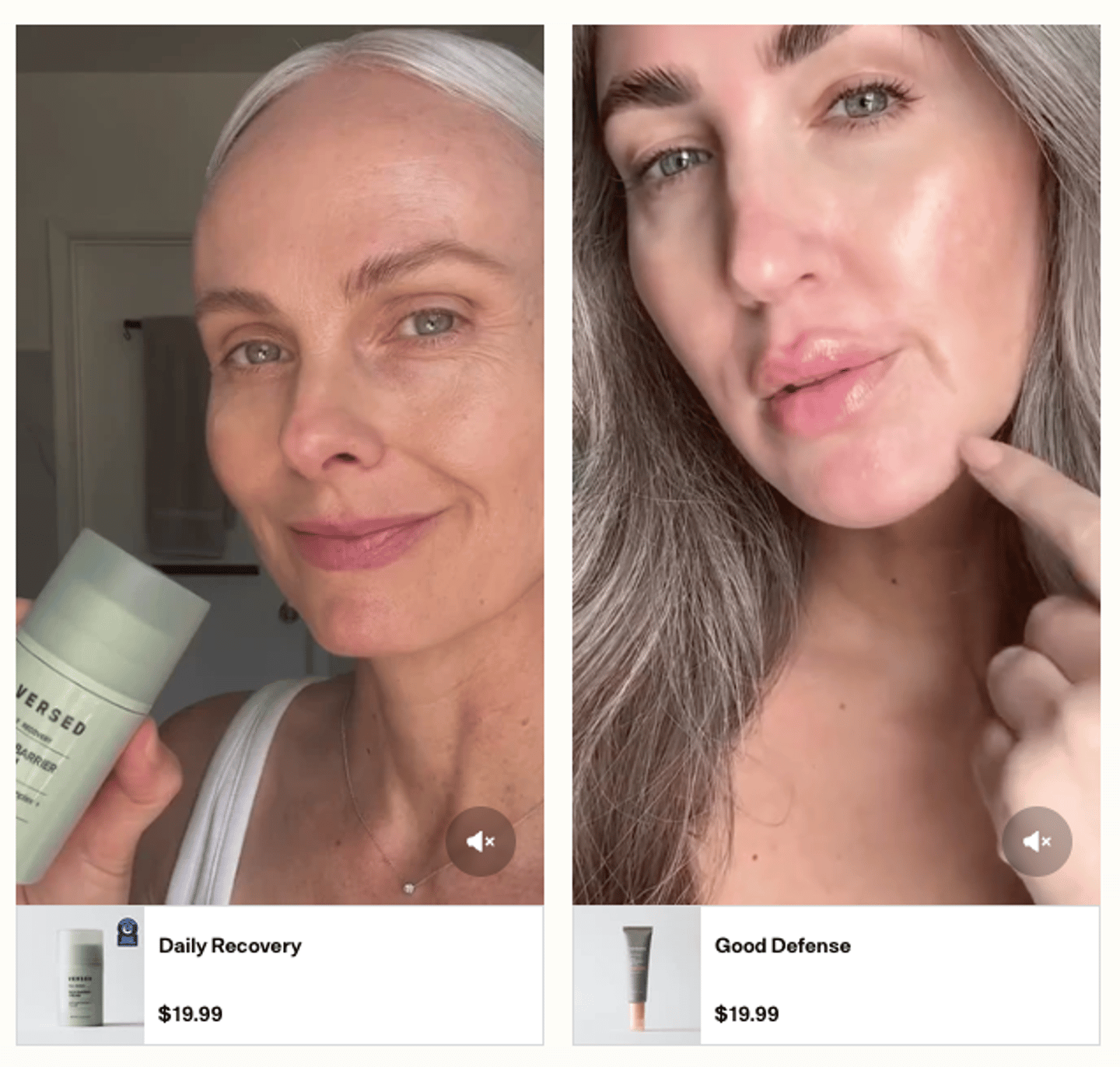
Though seeding 3,000 to 5,000 influencer gift packages per product launch sounds like an overwhelming volume play, Andy Chiu runs it as a relationship program.
The Versed CEO joined Archive.com co-founder and CEO Paul Benigeri at The Lead Summit last month for a conversation that cut past the metrics to the operational realities of influencer marketing at scale. Versed, the clean beauty brand carried at Target and Walmart, has built its creator strategy around a simple premise: The brands winning in 2026 are the ones that stayed close to influencers long after the package arrived.
Seeding Is Just the Beginning
In 2019, a well-produced unboxing video was enough to move product. But seven years later, every brand is seeding, every box is competing for attention, and the novelty has long worn off. "It's table stakes that every single brand is seeding and gifting," Chiu said.
What differentiates Versed is what happens after the send. The brand tracks every creator it seeds to identify who is using the product organically, not just posting once and moving on. Those are the relationships it deepens, while the creators who go quiet get deprioritized.
"We find that their audiences are really receptive," Chiu said of creators who use products genuinely, "and they actually convert, even when those influencers are paid by us, because they have that organic relationship."
During a non-launch month, Versed sends 1,000 to 3,000 packages, but those numbers climb to 3,000 to 5,000 when the brand is unveiling a brand-new product. At that volume, brands can't seed the same pool repeatedly and expect organic results, says Chiu, which is why he cites sourcing new creators continuously as the team's single biggest operational pressure.
Finding the Right Creator Is Harder Than It Looks
For Versed's upcoming acne treatment launch, the brand needs creators who actually have acne, not influencers who documented a "skin journey" and now post with clear skin. "A lot of people have acne-prone skin and they post about their skincare journeys over time, but they have perfect skin now," Chiu said. "For us, it's about finding creators who actually have acne, and we can work with them over a 6-to-8-week period to show the product performing."
Standard search doesn't solve it because searching "acne" on Instagram or TikTok returns product posts and aspirational content, not the creators with visibly acne-affected skin that Versed needs. Identifying them at scale remains a manual problem, says Chiu.
EMV Is a Starting Point, Not a Success Metric
When it comes to measuring ROI on large-scale gifting programs, Chiu has moved away from earned media value (EMV) as a primary signal. "It's basically a fake number," he said. "You can look at it for progression purposes, but it's not that useful."
Instead, he tracks how many times a creator posts about the product across TikTok, Reels and Stories over time, which signals genuine product affinity rather than transactional compliance.
That shift in measurement logic reflects a broader bet Versed is making on TikTok Shop, where the feedback loop between creator content and retail sales is immediate. "If you go viral, you see it the next day in your retail sales," Chiu said, a retail halo effect he described as unprecedented in the brand's history.
The Relationship Infrastructure Behind the Numbers
Versed’s creator program doesn't run on software alone. Chiu, his influencer coordinators and managers take creators to coffee, dinner and events, a relationship investment he described as modest in cost but significant in return. Creators who have met the team in person mention the brand organically at a materially higher rate.
For decision-makers building or scaling creator programs, the Versed playbook comes down to timing, tracking and tenure: Find creators before they blow up, measure their depth of use over post frequency, and treat the gifting package as the start of the relationship, not the finish line.