Designing for Conversion: How Hershey, Dreyer's, Others Are Fixing In-Store Execution

Consumer goods companies have seen shifts in shopper behavior before.
But as shoppers’ expectations continue to rise, the need to modernize the in-store experience with a greater degree of targeted, personalized engagement has become even more critical.
For one thing, shoppers’ busy lives are dictating the need for speed and convenience.

Global healthcare company Opella, manufacturer of Allegra, knows its consumers are looking for seamless omnichannel experiences.
“They have higher expectations for personalization with a greater focus on wellness and purpose,” says Opella’s Marlo Yates, senior manager of shopper marketing in the U.S. “We build programs to make it easier to find our products, and activate to deliver value and health solutions to make self-care as simple as it should be.”
Even the most seasoned marketers grapple with making that happen.
Modernizing the in-store experience requires a multifaceted approach that considers the holistic shopper journey, says The Hershey Co.’s Tiffany Pieja, senior manager, permanent merchandising. “It’s not just about the experience in-store, but rather the blended experience of both digital and in-store shopping.”
The “Return of Touch,” a report conducted by The Harris Poll earlier this year in partnership with Quad, said that 73% of consumers wish brands made their in-store shopping experience more immersive and engaging.
It also found that the best consumer experiences leverage both physical and digital touchpoints, reporting that 84% of Gen Z and Millennials value brands that seamlessly blend technology with physical experiences.
The team at Hershey has been listening. Pieja points to the combination of enhancing technology in-store via digital signage, retail media, electronic shelf labels, RFID and other tools to help enable digital activation, and vice versa.
“Success is when you can execute seamless cohesion among the two, blending technology, data-driven insights and experiential elements to meet evolving consumer expectations,” she said.
Hershey is now investing in platforms to create seamless omnichannel integration, ensuring that the customer journey is both intuitive and immersive.
Everybody’s Looking for Effective Execution
Execution at the store level doesn’t come without challenges, but it’s where CPG companies, solution providers and retailers can further their partnerships to close the gap between strategy and in-store reality.
“The last thing you want as a brand is to spend money on something that’s not being delivered in the proper way in the in-store environment,” notes Shock Torem, senior vice president of media solutions at Vestcom.
His advice to CPG companies is to choose providers that have strong relationships with the retailer, alignment and guidelines on how to execute in-store, and the ability to customize their solution to adhere to different retail requirements.
The importance of building strong relationships across teams cannot be understated, adds Casey Lissau, executive vice president of creative at Saatchi X. “The stronger the relationships are between those parties and the more often we’re talking and planning together, the easier those plans are,” he says. “When it gets difficult is when fragmented discussions are happening in silos.”
At Dreyer’s Grand Ice Cream, Matt Rader, senior category manager for omnicommerce, says the entire retail planning cycle sits with the team he oversees. “We work very tightly with our sales teams that are specific to the customer, trying to put together the right solution for the customer,” he says.
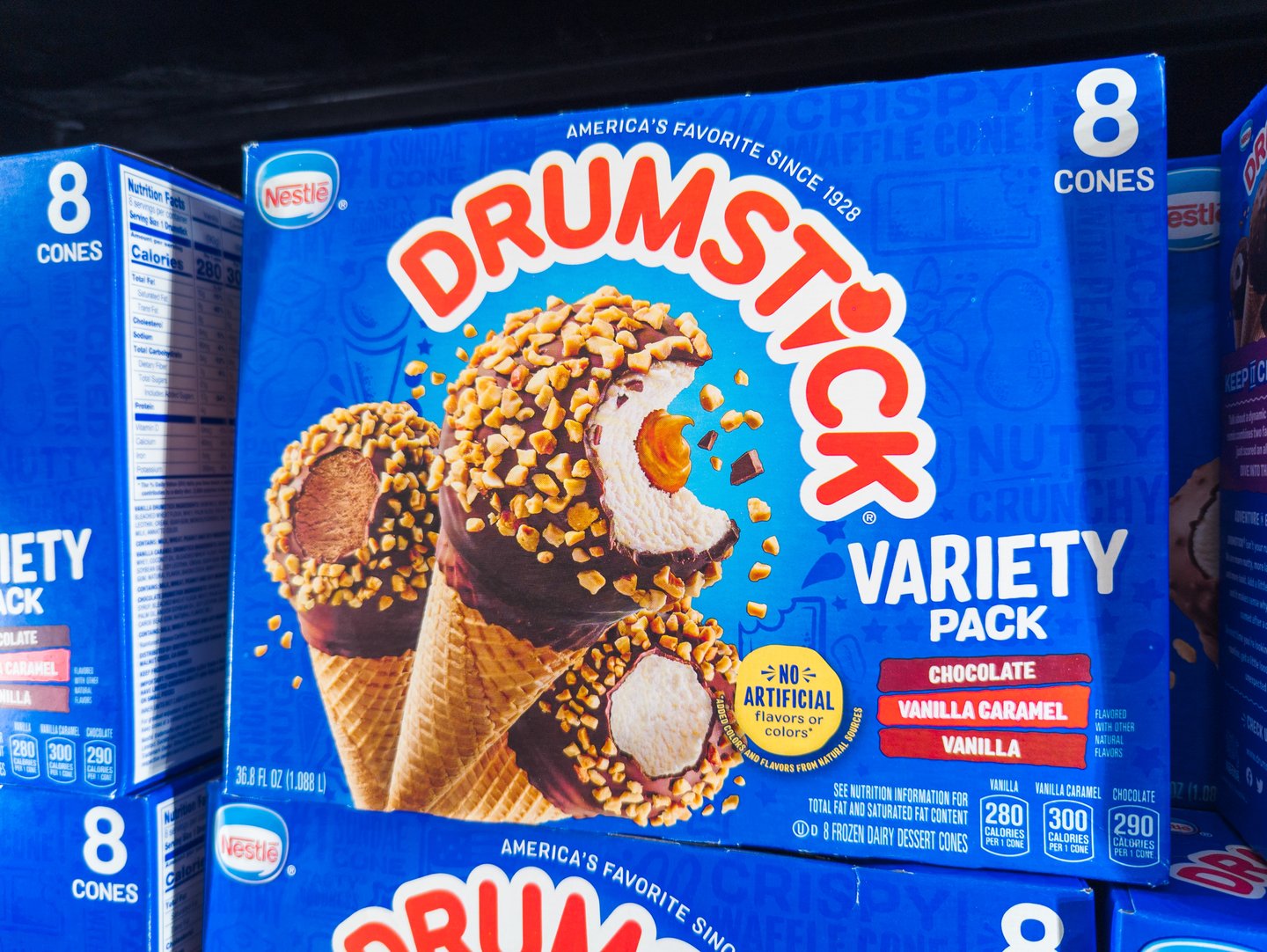
Sometimes that includes in-store options and sometimes it doesn’t, which carries both pros and cons. It allows in-store experiences to be customized for a retailers’ shoppers, and it enables companies to have some variability across the entire funnel for a brand, he says.
The downside is that there is no “set it and forget it” approach — and no consistency largely from a capabilities standpoint. “That certainly makes it hard for an omni team or any group to wrap their head around from a national perspective.”
When Blue Chip collaborates with its CPG partners, nuanced communication is a priority, including trying to understand the full journey and how that may differ from one retailer to the next, according to Erich Parker, senior vice president of integrated media.
The agency has adopted the philosophy of brand commerce — or bridging the gap between brand-equity building and conversion-driving sales activity.
“The more we can educate them and help internally break down silos, the better it is for everyone because the brand team will want to convert, and the shopper and sales teams want to have their plans solidified early enough that they can be having the appropriate joint business plan conversations with the retailers,” Parker says.
Part of this includes working with brand clients to break down those silos, adds Mary Kate Huffman, Blue Chip’s senior director of commerce and investment strategy. Even if Blue Chip isn’t in charge of a trade or brand plan — or if their scope isn’t fully encompassing all of the client’s marketing activities — they need to be informed and aware to help line strategies.
“We’re trying to figure out how to be more integrated every day,” Huffman says. “There shouldn’t be completely separate brand and shopper plans. We look at how those plans are working together, and it’s getting better.”
Pieja says organizational changes to better integrate Hershey’s brand, retail media and brand activation teams, while reducing silos, has resulted in multiple cohesive touchpoints throughout the shopper journey. Furthermore, media full-funnel activation strategies are more effective.
“We work extremely well cross-functionally as an organization,” she says.
The company’s recent work creating customer playbooks — a prescriptive approach to translating its enterprise brand and portfolio imperatives into channel/customer selling targets — is a prime example. “These comprehensive one-stop manuals outline strategies and success criteria supported through insights, selling stories, tools and resources to achieve our outlined imperatives and sales metrics,” she says.
There’s still work to be done in this area to improve cohesive execution for all parties, and ADM Group’s Richard Murray, head of growth for Connected Retail, says his team will continue to challenge the status quo.
“It’s very challenging to build that trust and work hand in hand to ensure that we’re going to market together to make it more successful,” Murray says. “We’re coming in between the brand and the retailer and saying we can get incremental money over and above what they’re getting from the director of marketing, the CFO, or performance marketing because we’re actually backing ourselves.”
And signing on to what he coins outcomes-based campaigns. “They’re giving us access to budgets that weren't previously available because we're giving them access to insights and research and results that weren’t previously available,” he says.
Common Pain Points in Activation
Real-time reporting is a challenge many companies still face, at least in terms of static activity and displays. Where brands are seeing improvement is with the increased digital experiences that are happening in-store. But yet each retailer is different, with varying levels of robustness, says Blue Chip’s Huffman.
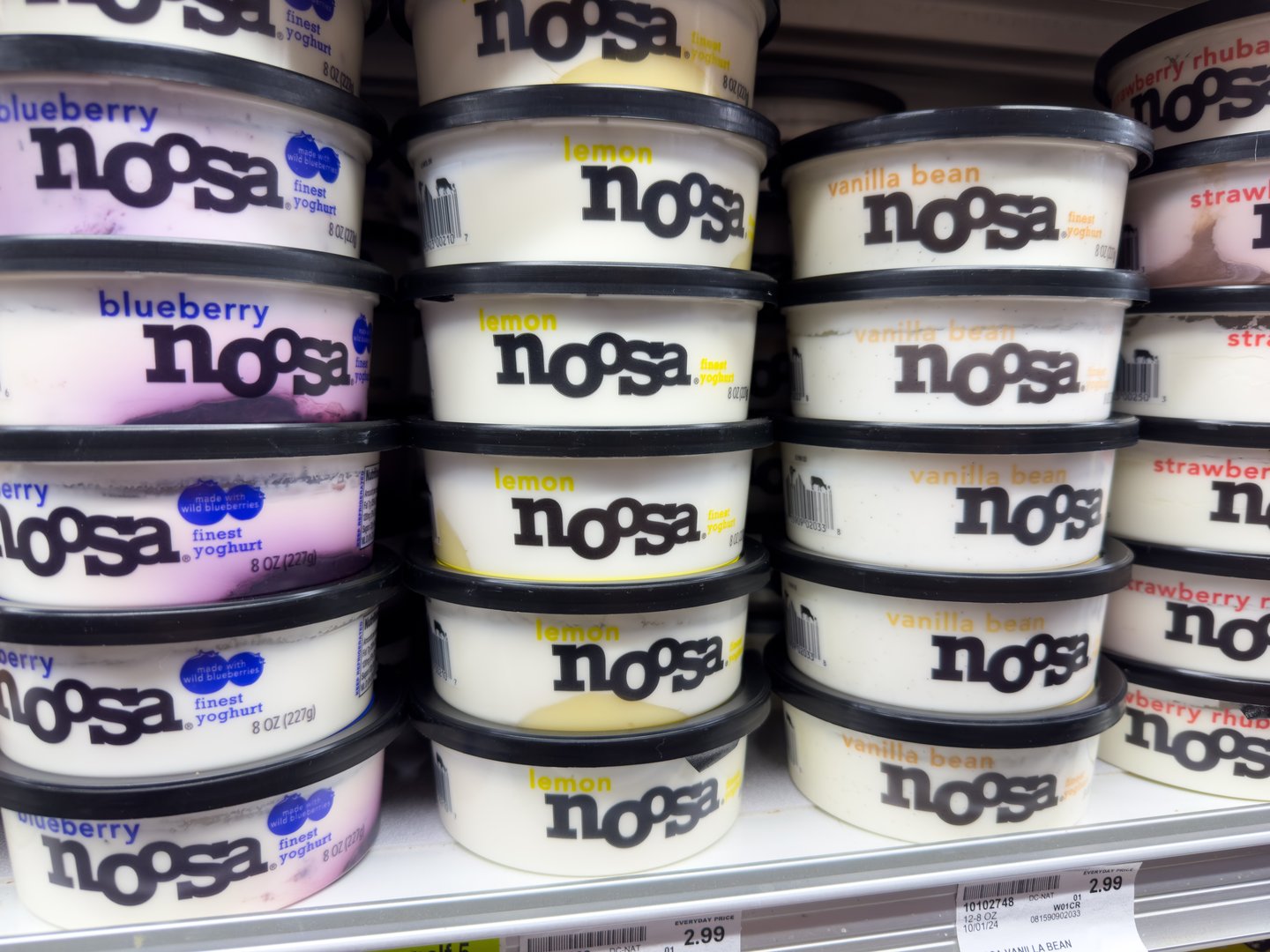
It’s definitely a challenge, agrees Pankita Desai, senior director of omnichannel marketing at Novus Foods, which manufactures such brands as Noosa and Fresh Cravings — especially with varying spending levels across retail media partners.
“That said, it’s improving,” she says. “We work closely with our media partners to optimize in real time, while collaborating with our category and retail media teams to ensure those optimizations align with our KPIs.”
Real-time data as it applies to in-store media is still largely aspirational today, cautions Vestcom’s Torem.
As various solutions are being built out and tested, there is an increasing awareness that having the ability to have that transparency and react in real time is a core capability that needs to be integrated at scale. “But the applications just aren’t there yet on the whole,” he says.
Strategies for Tailoring In-Store Messages
When looking at real-world strategies for tailoring in-store messaging by context, story and category, companies on all sides are paying close attention.
Saatchi X’s Lissau says relevance will always be the driving factor. “That can come to light in a lot of ways, whether it’s alignment to a retailer tentpole or insight-driven strategy that we uncover based on a consumption occasion or usage occasion that maybe drives relevance with a specific shopper group,” he says. “It will always be the lighthouse for us.”
Dreyer’s Rader says it’s something his team watches every day. “We’re looking at each channel and each customer,” he says. The company is dedicated to maximizing impact at each and every retailer where their products are sold, in partnership with Saatchi X. “We have a fully dedicated approach to making that happen on our behalf.”
For its part, the Hershey team leverages digital tools and shopper data, aligning messaging with local store context, and customizing by category and shopper mission.
Additional strategies include ensuring omnichannel consistency by maintaining consistent messaging, branding and imagery across digital banners, mobile experiences and in-store signage, and using shop-a-longs, in-store observations and eye tracking to identify contextual cues that can inform more relevant messaging in specific environments.
Hershey also tests and iterates quickly using digital tools and real-time visibility to optimize messaging by location.
Monitor and Measure Performance on the Ground
Quantifying the ROI of in-store marketing remains a challenge for CPG marketers and their partners.
Retailer data platforms and digital tools allow for a more in-depth, consistent view across tactics, notes Opella’s Yates. “But the challenge is still in the often layered approach to omnichannel activation and the contribution each tactic brings to the overall campaign.”
Pieja acknowledges that Hershey has made strides in quantifying the ROI of in-store marketing, using similar methodologies to the marketing mix model that looks at sales lift and other metrics to measure the impact of the company’s in-store marketing efforts.
But she’ll continue to advocate for test-and-learns to prove programs prior to commercialization, specifically when deploying new technology and display concepts.
Tracking awareness and impressions is not new in this quest, but Novus Foods’ Desai says her team is still working to fully understand how these activities impact sales lift, especially with multiple factors at play in-store.
Yet another reason why alignment internally with sales is so important: “It helps provide additional forms of measurement and clarity on what’s driving results,” she says.
Desai underscores the value of working in lockstep with both retail media and media agency partners. “Ensuring they understand our KPIs and goals helps us optimize campaigns in real time and make data-driven adjustments,” she says. “These partnerships give us the visibility we need to measure performance and ensure we’re meeting objectives at every stage of the shopper journey.”
SteelSeries Designs for Conversion
SteelSeries has been a driving force of esports and professional gaming since 2001, with a focus on building products that push professional gaming forward.
The company stresses this mission on its website: “We combine the necessity of professional-grade quality and durability with our unyielding pursuit of simple, modern design. Every button, switch, material and key is designed with the gamer’s every move in mind.”
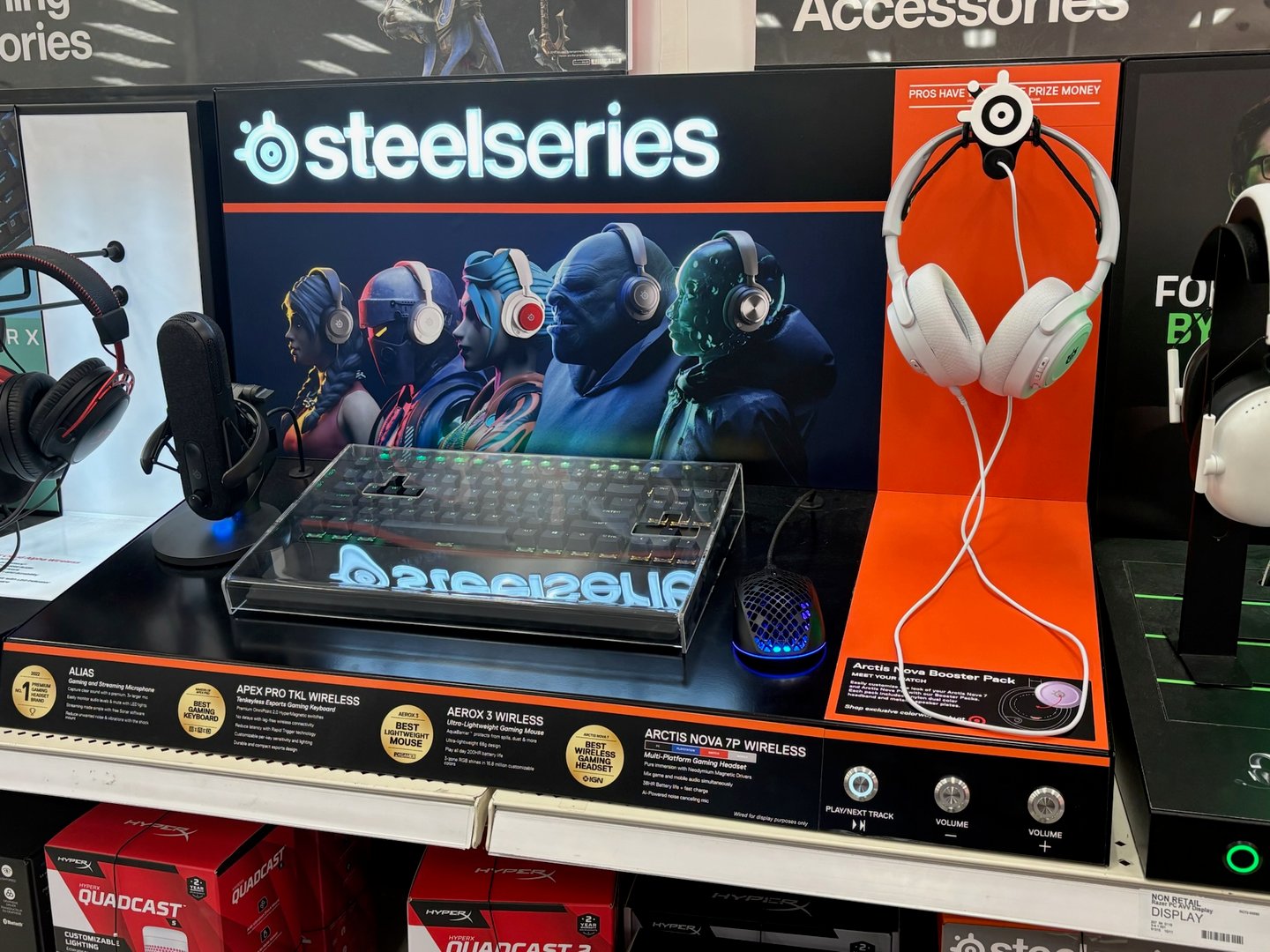
It comes as no surprise that it would put the same thought behind a new display. Quad was a partner to SteelSeries parent company GN Group in telling the story in-store.
Each display is custom built for the retail environment, says SteelSeries' Rosel Barhoumeh, North American marketing manager for the gaming division.
It’s not just because each retailer has different specs, but because each retailer has a bespoke story to the shopper, she says. “With Target, we wanted to focus gamers looking for customization, immersion and performance. The products featured on the display reflect that and are elevated with attractive lighting, helpful messaging and eye-catching graphics.”
As shoppers’ expectations evolve, the brand uses insights to shape its overall efforts, Barhoumeh says. The majority of gamers are playing on more than one device, and while the display sits in the PC gaming department, messaging lets shoppers know that the headset also works on their PlayStation 5, for example.
“To keep pace with shifting behaviors and evolving technology, we’ve built a modular foundation that allows us to easily update messaging,” she says. “Concise graphics on both display and packaging help give the guest confidence they can game cross-platform while not boring them with a litany of tech specs.”
Barhoumeh says her team has worked with retail partners to understand the impact of displays beyond aesthetics. "We’re constantly analyzing guest interaction, sell-through velocity and the reduction in product returns to better understand future display optimizations.” The company ultimately saw a 40% sales lift in stores that had this higher-end display.
Tim Ohnmacht, Quad’s president of the in-store experience division, says his team’s ability to work with the brand and the retailer on in-store execution is critical. Ever since the pandemic, the company has been embracing visualization technology.
Quad recreates a physical environment virtually, allowing design teams to flow in different tactics or concepts before anything is ever physically produced, which helps drive facilitation and collaboration between the brand and the retailer.
The technology allows teams to go through several iterations of the creative process before anything is produced. “We’re able to work collaboratively with the brand at different levels, from the creative side to the brand marketing/shopper marketing side to procurement,” Ohnmacht says, while understanding retailer-specific requirements and being able to optimize by retail distribution channel.