How Costco, Best Buy, Nordstrom Are Evolving Retail Media
Retail media groups at some of the largest U.S. retail chains are reshaping how they drive revenue growth by rethinking not just advertising formats, but the customer experience itself — as the retailers look to monetize attention without eroding shopper trust.
At department store chain Nordstrom, the emphasis has been on using media as an extension of its service-led brand rather than a standalone advertising business.
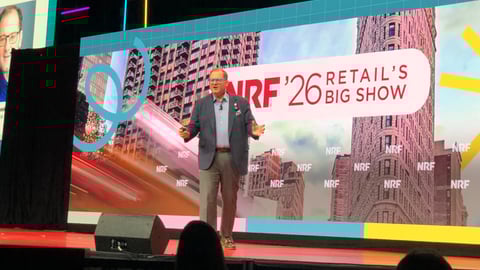
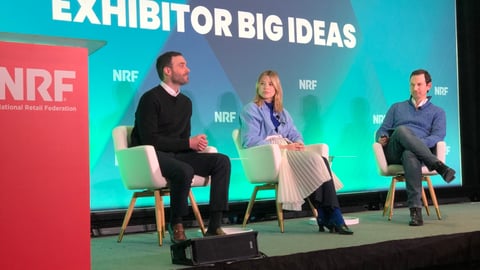
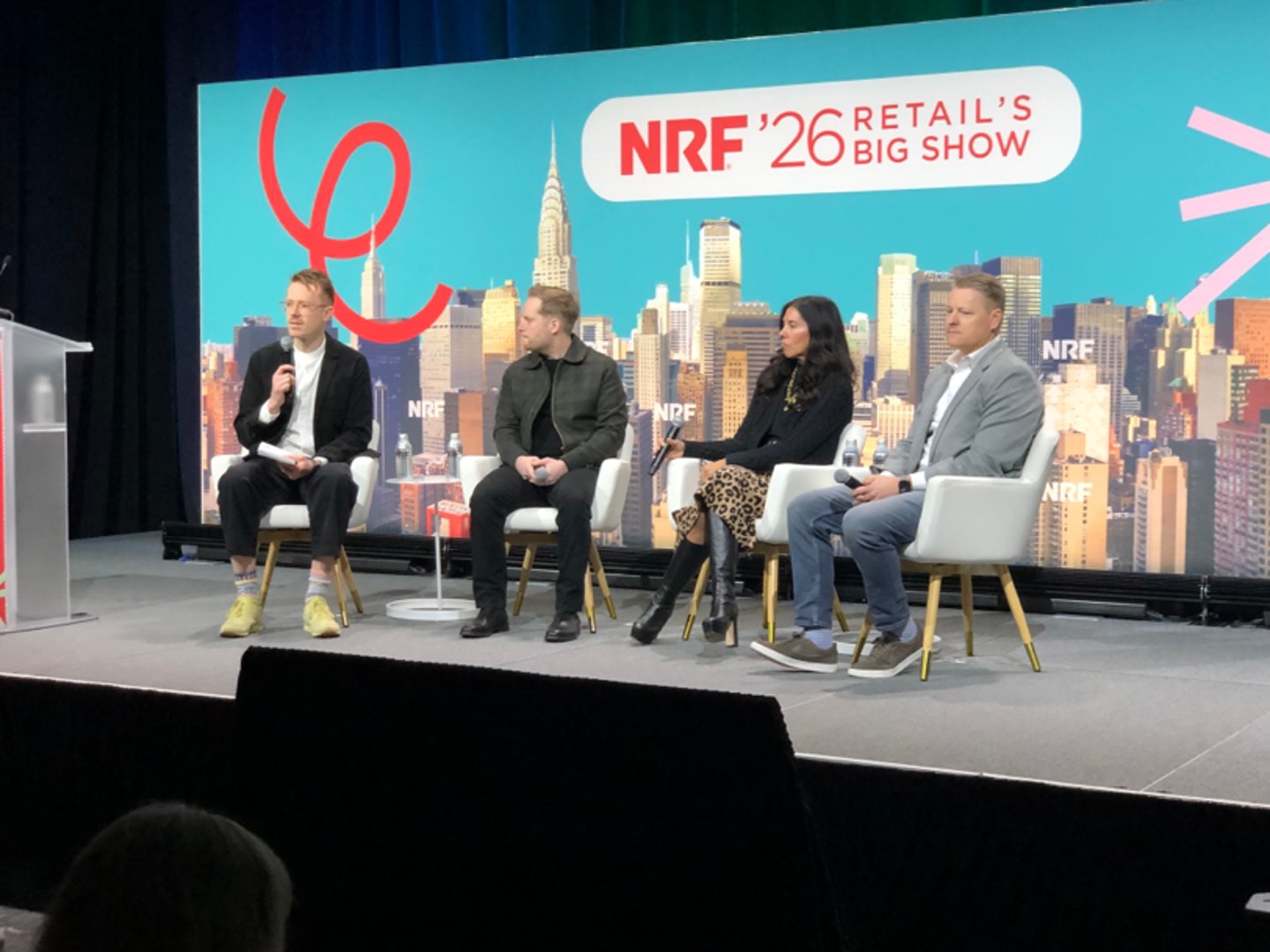
“We’re really focused on creating a tailored, curated experience,” Aaron Dunford, vice president of Nordstrom Media, said at the National Retail Federation's (NRF) Big Show this month. “We’ve invested significantly over the past couple of years, and it’s really starting to deliver.”
That investment is translating into new revenue streams while preserving flexibility for brand partners, Dunford stressed. Nordstrom launched self-serve advertising last year, initially focused on paid online placements.
“Our magic sauce is customer service, serving them on their terms,” he said. “We want to make sure we have a full-service offering, from white glove all the way to programmatic. You have to think past the retail media business play book and look at the channels customers are actually using, and how we add value there.”
Over the past 18 months, that mindset has meant renewed attention on the in-store environment. The strategy began with building emotional connections and has expanded into experiential activations, including events. For example, during the holiday season Nordstrom offered a free Santa photo service.
“It adds something meaningful that’s brought to you by retail media,” Dunford said.
At Best Buy, the focus has been on using technology to unlock faster revenue growth while leaning into experiences that feel authentic, Lisa Valentino, president of Best Buy Ads, said.
“That allows us to go faster and really scale the business,” Valentino said. “If you walk into a Best Buy this month, you’ll see ESPN in-store. They’re looking at our stores as a way to make an impact.”
That strategy has driven strong growth among endemic advertisers, but Valentino said the next challenge was helping brands fully activate Best Buy’s audience.
“Demographic data has always driven investment, but the data we have now is so much more detailed,” she said. “It’s going to take the industry some time to catch up.”
Valentino argued that many advertisers are still underusing retail data, despite the returns.
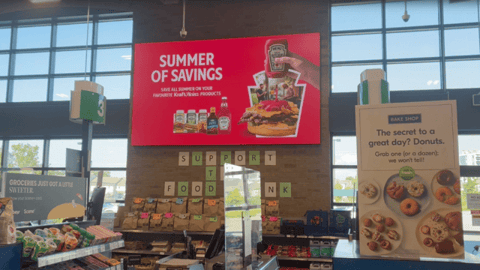
“Our biggest driver of demand has been in-store takeover packages. Our stores are a giant screen,” she said, pointing to collaborations with ESPN, Ikea and Meta.
Looking ahead, she said entertainment brands could play a bigger role, including activations tied to events such as the upcoming FIFA World Cup.
“We’re nearly sold out for the year,” Valentino said. “That’s not programmatic — it’s about how we develop the creative.”
Costco Wholesale, by contrast, is earlier in its retail media journey and is moving carefully to balance monetization with its tightly defined culture.
“Our retail media team is newer, and we’re trying to be as nimble and agile as possible, especially as pricing comes in real time,” said Mark Williamson, assistant vice president of retail media at Costco, whose retail media business launched in 2024.
Related: Costco Signals New Era of Personalization, Retail Media
As a result, Williamson said Costco’s challenge was structural as much as commercial.
“There are nuances specific to Costco — our culture and adherence to the strategic plan,” he said. “We’re not as set up historically with brands in the same way, so the question is how do you build on the foundations we already have? We need to link media buying with retail efficiency.”
“Costco is about the process of discovery,” Williamson added. “We’ve challenged ourselves to match that in retail media and what role we can play in seeding, in being a treasure map for a treasure hunt. You have to think about authenticity. Don’t just copy what everyone else is doing or chase audience size. You have to put the brand lens first, then figure out the best way to integrate.”