Giant Food Fosters Loyalty With Differentiated Rewards

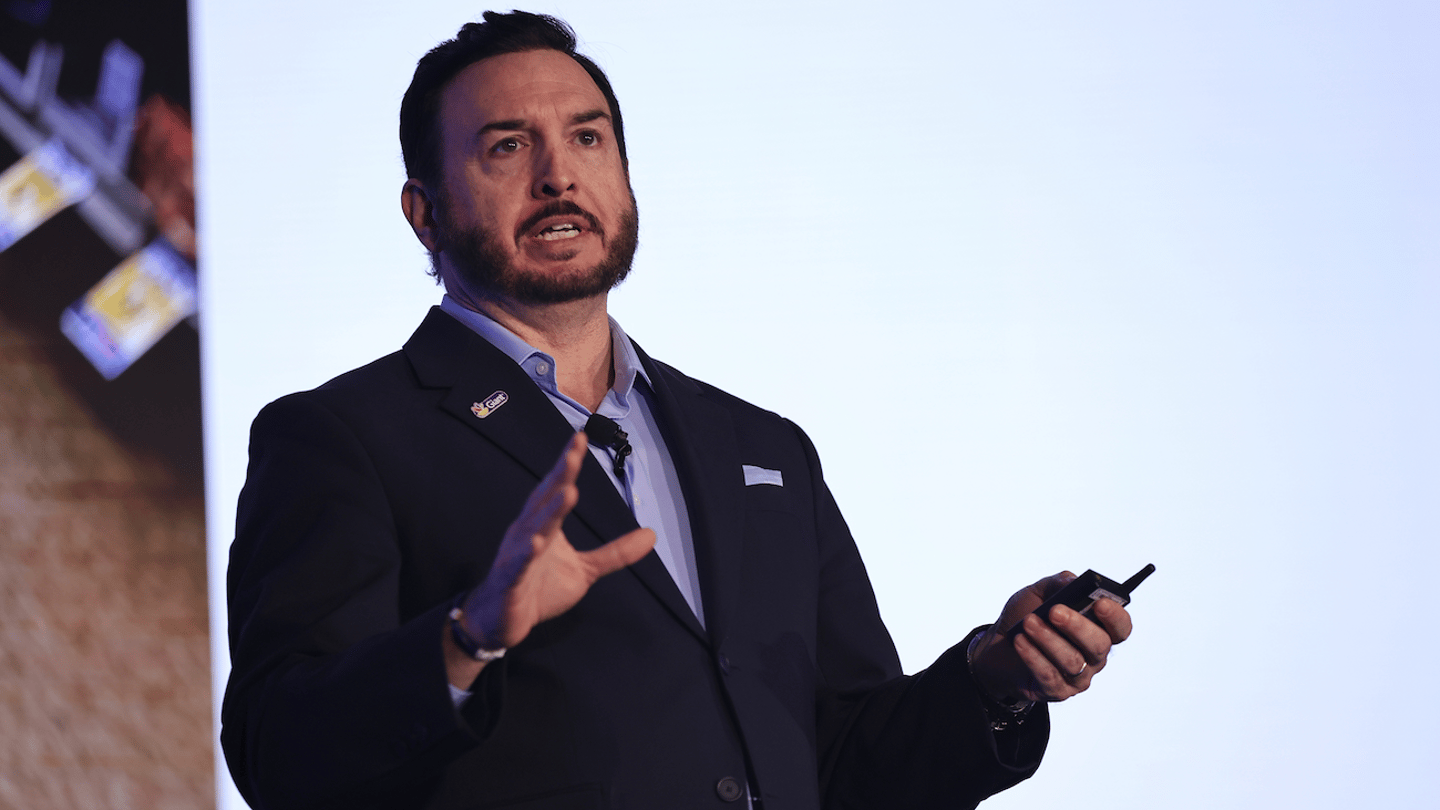
Five years ago in grocery, "you almost didn't have to show up for work. People were coming to your store as a one-stop shop," Ryan Draude, head of loyalty and digital at Giant Food, told the crowd at P2PI LIVE & Expo. "They were afraid of going to multiple places [due to COVID], so for us, it was an absolute financial boom."
That very profitable bubble hasn't exactly burst, but it's definitely contracted as people left their homes and their primary retailer.
"For us [in grocery], this hurt, especially when you think of the growth of the competitors out there. (Then) you compound that with where we are now, which is what I'll call the value era," Draude continued.
"People are looking to save. They are challenged in ways that they have not been before. And they're willing to go to even more retailers to satisfy the needs to put food on the table. And so for us, this created a very distressing situation."
To understand the Ahold Delhaize banner's customers, Giant Food considers segmentation, focusing on three variables: Spending, frequency and category.
During the pandemic, in terms of spend, the top tier (24% of their loyalty, or carded, customers) shopped often and spent a lot, accounting for about 50% of Giant Food's revenue. The middle tier accounted for 28%, followed by the lowest tier, which made up 48% of the mix, with the latter shopping less often and spending less money.
Fast forward to today, and a shift has taken place. That top tier – "that best group" – has lost 4 points, and the middle tier lost 1. Those customers are still in the picture, but over in that third, more budget-conscious tier.
Looking from a high level, Draude said, the optics are looking good. "But underneath the surface, the quality has dropped off significantly, and this is the real challenge we have." Customers may make more trips, but they're spending less as they seek value. "I'm still seeing shoppers, but 10% or 20% of their basket is going somewhere else, because, in addition to going to a Giant, now they're going to a Walmart or an Aldi. … The reality is, they are value-driven, and we are not meeting their needs at a high level."
Within categories, the essentials (meat and seafood, dairy, produce, baking) continue to do well, but other categories such as alcohol and candy — "a lot of that is falling off the cliff simply because families cannot afford to … get these things on a frequent basis."
What was a one-stop household a handful of years ago, that's shifted. "Now they're willing to go to three, four, five different stores a week."
Draude shared a quote from a focus group: "'I really like shopping with you, but now I can't afford to.' … that just really woke me up." It presents a unique challenge, he said, to "navigate this value-driven era."
Draude cited economist Michael Porter on two ways to win in business: "You're the lowest cost provider, or you do something really special differently."
For Draude and Giant Food, they're focusing on the latter, armed with their loyalty program, offering:
- Value: Customers are straightforward, Draude said: "I'm joining your program because I want to get stuff." Is the retailer delivering on this? Make sure every shopping trip gives an opportunity for rewards. Previously, more than half of Giant shoppers had fewer than 100 points in their account, and redemption options start at 100 points. Make rewards easier to redeem — 5 points for up to $1 in a private label freebie such as a can of beans, for example. The result: increased engagement. Even with inexpensive SKUs, "the psychology was: 'I shop with Giant. I'm getting free stuff.'" This easily injects value into every trip.
- Emotional connections: The goal: Get the customer to shop a particular retailer because they like that retailer. A health angle — nutritional advice, free recipes, rewards for a flu shot — create opportunities to engage and strengthen the customer-retailer relationship.
- Make it extra rewarding: This doesn't have to be pricey (can of beans, anyone?), but injecting fun can keep shoppers coming back. A progress bar with a monthly target to unlock special offers or extra points turns it into a quest and can sway the shopper to choose that store or banner.
Draude closed with one last piece of advice: "Ask your customers what they want. And listen to them."