DoorDash Ads Expands Targeting, Measurement Tools for CPG Brands

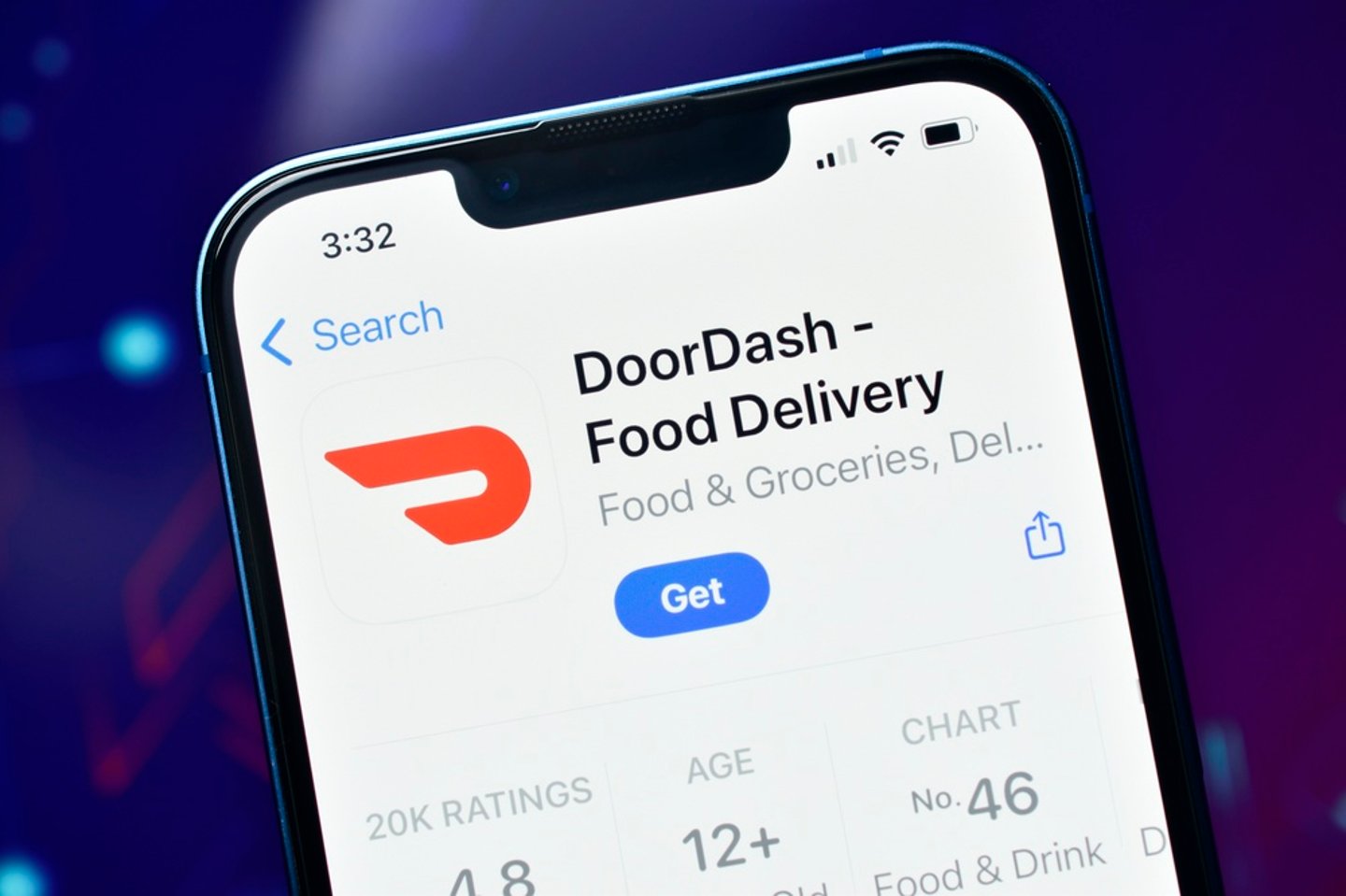
DoorDash Ads is rolling out a new set of capabilities to give CPG advertisers more control over targeting, clearer insight into category performance and greater transparency into how their brands compete on the platform.
The company on Jan. 6 unveiled the launch of a “Interest Targeting” solution based on dish preferences, an expansion of retailer targeting within sponsored products and new self-serve category share insights available through its Ads Manager. Together, the updates are designed to help brands plan and optimize campaigns using signals drawn from both restaurant ordering behavior and retail shopping activity.
“Retail media is evolving quickly, and advertisers need solutions that deliver meaningful signals and measurable impact,” Katie Daleo, GM of CPG Ads at DoorDash, said in a news release. “Our latest tools help CPG brands understand their category position, refine audience strategy and tap into what’s distinct about DoorDash.”
Turning restaurant behavior into retail media signals
One of the more differentiated offerings is DoorDash’s Interest Targeting solution, which uses historical restaurant ordering behavior to identify consumers with specific food preferences and intent.
By analyzing what users frequently order — such as particular cuisines or menu items — CPG brands have the ability to reach relevant audiences that align with their products. The approach extends DoorDash’s ability to link food consumption behavior to retail media activation, positioning restaurant data as a signal for packaged goods discovery and purchase.
Interest Targeting will be available to all CPG advertisers soon, per DoorDash.
Retailer-level control for sponsored products
DoorDash is also expanding retailer targeting into sponsored products, giving advertisers the ability to activate campaigns against specific retail partners and reach shoppers who already demonstrate loyalty to those retailers.
The move aims to give brands more flexibility to align retail media strategies with distribution priorities, trade relationships and channel-specific goals. The capability is expected to roll out broadly to CPG advertisers in the near future.
Self-serve category share reporting
On the measurement side, DoorDash Ads introduced category share insights, a new self-serve reporting feature that provides brands with a clearer view of their competitive standing.
Through Ads Manager dashboards, advertisers can now evaluate category share based on sales, units sold and impression volume, and benchmark their performance against top competitors on the platform. DoorDash positions the reporting as a way to support more informed budget allocation, category-led planning and performance optimization.
The launch reflects a broader push across retailer media networks to provide advertisers with more transparent, competitive context — not just campaign-level metrics.
Spotlighting breakout brands
Alongside the product updates, DoorDash also released its first-ever “CPG Momentum Brands List,” highlighting 50 challenger brands that demonstrated strong growth and customer engagement on the platform in 2025.
According to DoorDash, many of the brands on the list leveraged a combination of marketplace visibility, retail media and fulfillment services to accelerate distribution and trial. Notably, 43 of the 50 Momentum Brands are available through DashMart Fulfillment Services, DoorDash’s fulfillment model that uses DashMart locations for inventory management, picking, packing and delivery.
The fulfillment option is positioned as a way for emerging brands to extend reach and offer faster access to everyday essentials without building their own last-mile infrastructure.
A fuller-funnel retail media play
Taken together, the updates reinforce DoorDash Ads’ broader strategy to integrate delivery intent, marketplace scale and retailer-level insights into a full-funnel retail media offering for CPG brands.
By combining restaurant-derived interest signals with retail targeting and competitive reporting, DoorDash is aiming to help advertisers reach consumers at key decision points — from food inspiration and meal planning to grocery discovery and purchase.
As retail media continues to mature, the company’s latest moves highlight how alternative data sources and platform-specific behaviors are increasingly being translated into actionable media signals for brands looking to stand out in crowded categories.